
Proudly Serving Santa Clara, San Mateo & Alameda Counties
Call Us Right Now: (408) 642-5390
Categories
GPC

What Pests Are Most Common in San Jose Homes?

The pest species that affect San Jose homes are shaped by the region’s Mediterranean climate, the proximity of residential neighborhoods to the foothills and open space, and the urban density that creates a continuous habitat for pests to move through. Several species come up consistently in homes throughout Santa Clara County, and understanding what each one is and what drives their presence helps homeowners recognize problems earlier and understand why professional treatment produces better results than general-purpose sprays. Our residential pest control services cover all of the species below, and each service page has more detail on treatment approaches specific to that pest.

Argentine Ants

Argentine ants are the dominant ant species in most Bay Area residential areas and are the species behind the majority of ant calls we receive throughout San Jose. They are small, brown, and travel in wide, dense trails. What sets them apart from other species is their supercolony structure—Argentine ant populations in California exist as interconnected networks rather than isolated colonies, which means the number of workers that can eventually be directed toward a food or water source inside a home is enormous. They establish readily in wall voids, under flooring, and in moist soil adjacent to the foundation.

German Cockroaches

German cockroaches are the most common cockroach species found inside San Jose homes and businesses. They are small—roughly half an inch to five-eighths of an inch—and prefer warm, humid environments near food sources. Kitchens and bathrooms are the most common harborage areas. German cockroaches reproduce rapidly, and an infestation that is not treated professionally can become very large in a relatively short period. They are also linked to allergen exposure and food contamination, making prompt treatment a health consideration as well as a comfort one.

Roof Rats

Roof rats are common throughout urban and suburban Santa Clara County. They are agile climbers that access homes through rooflines, gaps near eaves, utility lines, and overhanging tree branches. Once inside, they nest in attics, wall voids, and other elevated spaces. Roof rats are active year-round in San Jose’s mild climate and can cause structural damage through gnawing on wiring, insulation, and framing. Evidence of roof rats includes droppings along rafters, gnaw marks, and the sounds of movement in the ceiling at night. Our rodent control services address both elimination and exclusion.

Black Widow Spiders

Black widow spiders are present throughout Santa Clara County and are found in garages, sheds, wood piles, under outdoor furniture, and in undisturbed storage areas. They are not aggressive but will bite if disturbed, and their venom is medically significant—particularly for children and elderly individuals. Regular perimeter treatment and web removal reduce black widow populations around the home, and professional service is the appropriate response when they are found frequently inside or in high-traffic areas. Our spider control services address both black widows and the common household spider species that are a nuisance throughout the year.

Earwigs and Silverfish

Both species are moisture-seeking insects that move indoors readily in San Jose’s dry summers when outdoor conditions become less hospitable. Earwigs are found in bathrooms, kitchens, laundry areas, and crawl spaces. Silverfish damage paper goods, book bindings, and natural fiber materials in addition to being a general nuisance. Both are covered under Citra’s standard home protection programs.

Fleas and Ticks

Homes with pets in San Jose and the surrounding foothills face consistent flea and tick pressure. Fleas establish themselves in carpet, upholstered furniture, and bedding, and they can be difficult to eliminate once an infestation is established indoors. Ticks are particularly common in properties adjacent to open space and hiking trails throughout Santa Clara County. Our flea and tick control services are available as a standalone service for households dealing with either or both species.

Identifying what you are dealing with is the first step toward resolving it. Schedule a free inspection, and our technicians will assess your property and identify the species and conditions present.

Categories
GPC

Do I Really Need Pest Control in San Jose, CA?

San Jose’s climate is one of the best in the country for human beings—and one of the most favorable in North America for pest activity. Mild winters, warm summers, and the absence of hard freezes mean that the insects and rodents that affect local homes do not experience the population die-back that colder climates impose each year. For homeowners weighing whether professional pest control is a genuine necessity or a discretionary service, the climate question is the most important one to start with. Our residential pest control services are available throughout San Jose and Santa Clara County, and this post gives a straight answer to a question we hear frequently.

The Climate Case

In most of the continental United States, winter provides a natural reset for pest populations. Extended periods of freezing temperatures kill off large numbers of overwintering insects and limit rodent activity near structures. San Jose does not work that way. Winter lows rarely drop below the mid-30s, and most years do not produce the sustained cold that would meaningfully reduce ant colonies, cockroach populations, or the rodent activity that increases when outdoor food sources become scarce.

The practical result is that pest pressure in San Jose is a year-round condition, not a seasonal one. A home without active protection is not getting a break in December and January—it is simply unprotected during a period when some pests are slightly less active outdoors but still very capable of establishing themselves inside.

What Argentine Ants Mean for Bay Area Homeowners

Argentine ants deserve specific mention because they are among the most persistent structural pests in the Bay Area and behave differently from most ant species. Unlike many ant species that maintain territorial boundaries between colonies, Argentine ant supercolonies share resources and cooperate across a very large geographic area. This means that treating one entry point or one trailing route does not resolve the source—the colony network is vast, and workers route around disrupted areas.

Standard consumer ant sprays suppress surface activity temporarily but do not address the colony structure driving the pressure. Professional treatment uses products and application methods designed to reach the colony rather than only the foragers visible on the surface.

Entry Points Are Everywhere in Older San Jose Homes

San Jose’s housing stock includes a significant percentage of homes built before modern construction standards reduced the gaps and penetrations that pests use to enter. Older construction along with aging weatherstripping, gaps around utility penetrations, and deteriorating door sweeps create the access that rodents, cockroaches, and spiders rely on to move inside. A professional inspection identifies these vulnerabilities alongside active pest activity—something a store-bought spray cannot do.

The DIY Reality

Consumer pest control products are not equivalent to professional-grade treatments in product quality, application method, or the knowledge of where and when to apply them. Treating what is visible addresses symptoms. Professional treatment addresses the source, the entry points, and the conditions supporting the infestation. For a pest environment as active as San Jose’s, reactive DIY treatment tends to produce a cycle of recurring problems rather than a resolution.

The Right Program for Your Home

Not every home in San Jose needs the same level of service. A property with minimal current pest pressure and well-maintained construction may be well served by quarterly treatment. A home with active ant or cockroach pressure, rodent evidence, or conditions that favor frequent reinfestation may be better suited to bi-monthly or monthly services. Our Home Protection plans range from quarterly to monthly treatments, and all include free retreats and a satisfaction guarantee.

Citra Pest Control has served San Jose and the surrounding area since 2015. Our technicians are NPMA and PCOC-trained professionals who work with eco-conscious products selected for safety in homes with families and pets. Request a free quote and we will assess your property and recommend the plan that fits your situation.

Categories
Mosquitoes

Are Mosquitoes in San Jose Dangerous? West Nile Virus Explained

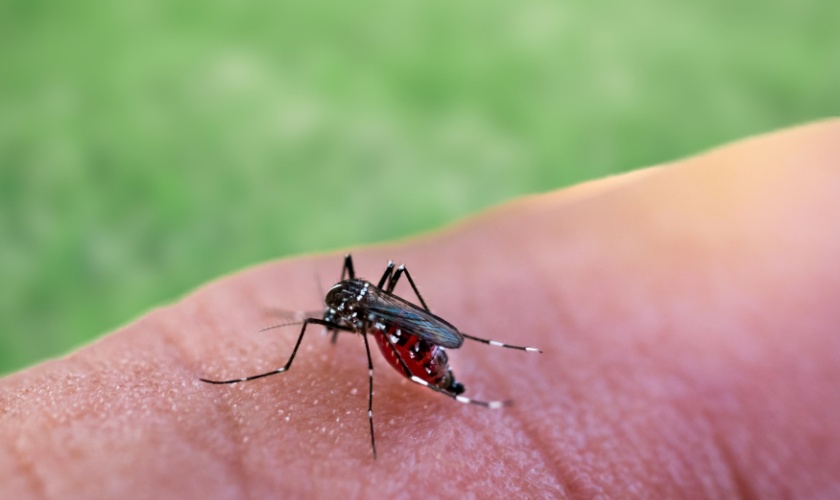
Yes—mosquitoes in San Jose can be dangerous. While most bites are nothing more than itchy irritations, certain species here are known carriers of West Nile Virus, a disease detected in Santa Clara County that continues to raise public health alerts. This makes mosquito season a genuine health concern for residents who want to keep their families safe.

West Nile Virus in San Jose: What You Need to Know

West Nile Virus (WNV) is the most common mosquito-borne illness in California, and San Jose is one of the areas where it has been detected. The virus spreads when mosquitoes feed on infected birds and then bite humans, making local bird populations an important part of the transmission cycle. While not every mosquito carries WNV, the presence of infected samples in Santa Clara County shows that residents should take the risk seriously during mosquito season.

Public health officials regularly monitor mosquito populations in San Jose by setting traps and testing both mosquitoes and dead birds for signs of the virus. These surveillance efforts help identify areas of higher risk and guide mosquito control treatments. When positive samples are found, vector control teams often respond with targeted spraying and public advisories, urging residents to reduce standing water around their homes and take personal precautions.

For most people, West Nile Virus causes no symptoms or only mild illness, but the potential for severe disease makes it a public health concern. In some cases, the virus can lead to neurological complications such as meningitis or encephalitis, which may require hospitalization. Older adults and individuals with weakened immune systems are especially vulnerable, which is why awareness and prevention are emphasized by local health agencies.

For San Jose residents, the takeaway is clear: mosquito season is not just an irritation; it’s a period when vigilance matters. Eliminating breeding sites, using repellents, and staying informed about county alerts are all part of reducing risk. By combining personal prevention with community-wide monitoring, residents can help keep West Nile Virus under control and protect their families from mosquito-borne disease.

Symptoms and Health Risks

Most people infected with West Nile Virus never realize it, as the majority of cases are asymptomatic. However, when symptoms do appear, they can range from mild to severe, and understanding the differences is important for recognizing when to seek medical attention.

  • Mild illness (West Nile fever): About one in five infected individuals may develop flu-like symptoms. These often include fever, headaches, body aches, fatigue, and sometimes a skin rash or swollen lymph nodes. While these symptoms usually resolve on their own, they can last for several days and may leave a person feeling drained.
  • Moderate illness: Some people experience more persistent fatigue, muscle weakness, or joint pain that lingers for weeks. This can interfere with daily activities and may be mistaken for other viral infections, making awareness crucial during mosquito season.
  • Severe illness (neuroinvasive disease): In rare cases, the virus invades the nervous system, leading to serious conditions such as meningitis (inflammation of the membranes around the brain and spinal cord) or encephalitis (inflammation of the brain itself). Symptoms may include high fever, stiff neck, confusion, tremors, seizures, or even paralysis. These cases often require hospitalization and can result in long-term complications.
  • High-risk groups: Older adults, people with weakened immune systems, and those with chronic health conditions are more likely to develop severe illness. For these groups, even a single mosquito bite from an infected mosquito can pose significant health risks, making prevention especially important.

What makes West Nile Virus particularly concerning is its unpredictability—most infections pass unnoticed, yet a small percentage can escalate into life-altering illness. This uncertainty is why prevention matters: every step you take to avoid mosquito bites is not just about comfort but about protecting yourself and those most vulnerable in your household.

How San Jose Tracks Mosquito Threats

Behind the scenes, Santa Clara County’s vector control teams monitor mosquito populations year‑round. They set traps, test mosquitoes and birds for West Nile Virus, and map out hotspots across neighborhoods. This surveillance allows them to respond quickly with treatments and alerts, turning community science into a frontline defense for public health.

What makes this system effective is its layered approach. Surveillance doesn’t stop at trapping mosquitoes—it extends to testing sentinel chickens, monitoring dead bird reports, and analyzing weather patterns that influence mosquito breeding. Data from these sources is combined to identify areas at higher risk, which helps officials decide where to focus treatments and outreach. Residents play a role too: by reporting dead birds, eliminating standing water, and staying alert to county advisories, they contribute to a network of prevention that strengthens community health. This collaboration between public agencies and everyday households ensures that San Jose isn’t just reacting to mosquito threats but actively anticipating and reducing them before they spread.

How to Protect Yourself

While public health agencies monitor and treat mosquito populations, prevention at home is essential. Here are practical steps San Jose residents can take:

  • Eliminate standing water: Empty containers, unclog gutters, and refresh birdbaths regularly.
  • Use EPA-approved repellents: Products containing DEET, picaridin, or oil of lemon eucalyptus are effective.
  • Wear protective clothing: Long sleeves and pants reduce exposed skin during peak mosquito hours (dusk and dawn).
  • Install screens: Keep windows and doors fitted with tight screens to block entry.
  • Stay informed: Sign up for Santa Clara County mosquito treatment alerts to know when local spraying is scheduled.

Protecting yourself from mosquitoes isn’t just about avoiding bites—it’s about breaking the cycle of transmission. Each small step, from clearing water to using repellents, reduces the chance of West Nile Virus spreading in San Jose and helps keep your household healthier through the season.

Health Security Begins at Home

Mosquito control isn’t just about comfort—it’s about protecting your health. Partnering with a trusted local pest control company ensures you’re not only reducing bites but also lowering the risk of mosquito-borne diseases.

Citra Pest Control delivers mosquito management tailored to San Jose’s unique environment. Our approach combines safe, effective treatments with practical guidance to eliminate breeding sites and reduce mosquito populations around your home. By pairing professional expertise with ongoing protection plans, we make it easier for families to enjoy their outdoor spaces without the constant worry of mosquito-borne threats. Schedule your mosquito control service with Citra Pest Control today and put lasting protection in place for your household against West Nile Virus and other local risks.

Categories
Mosquitoes

Mosquito Prevention for San Jose Outdoor Dining and Entertaining

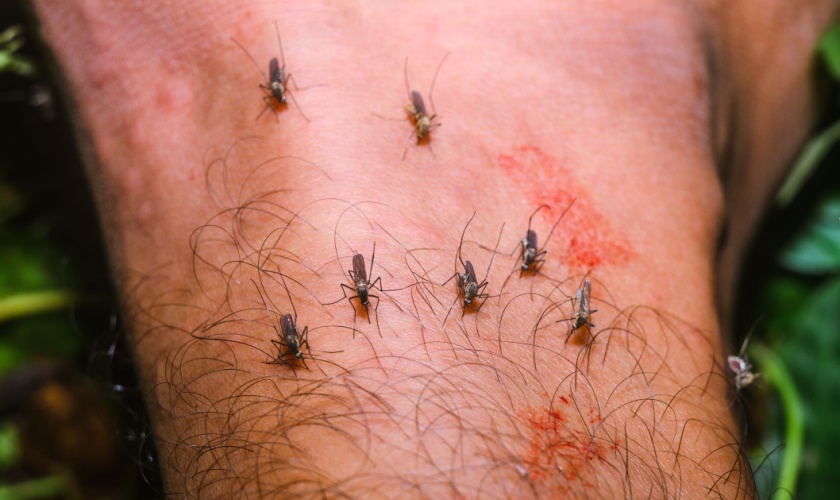
Mosquitoes don’t belong at the dinner table. Yet in San Jose’s warm evenings, they often show up uninvited, buzzing around patios and outdoor dining spaces. The challenge is clear: how do you keep gatherings comfortable without constant swatting? The solution lies in practical, layered outdoor mosquito prevention in San Jose that blends seamlessly into your lifestyle.

Harness the Breeze

Mosquitoes are weak fliers, so a steady breeze can keep them from landing. A patio fan doesn’t just cool guests—it quietly doubles as a natural mosquito deterrent. By adding airflow to your setup, you create comfort and protection in one simple step.

Air circulation transforms the atmosphere of your outdoor space. A well‑placed fan can cover seating areas, discourage mosquitoes from hovering near food, and even add a subtle ambiance when paired with lighting or décor. It’s a simple upgrade that pays off every evening, especially during San Jose’s warm summer nights when gatherings stretch late into the evening.

In addition to comfort and pest control, fans contribute to overall air quality by reducing humidity and dispersing lingering smoke or cooking odors. This makes the space more inviting for guests and helps maintain a fresher environment throughout the evening. When combined with other prevention strategies, airflow becomes a subtle but powerful tool in keeping outdoor entertaining effortless and enjoyable.

Plant With Purpose

Your garden can be more than decorative. Certain plants naturally repel mosquitoes while adding beauty and fragrance to your outdoor space:

  • Basil near the grill provides both flavor for cooking and a deterrent effect.
  • Lavender by seating areas offers a calming fragrance while discouraging pests.
  • Marigolds along pathways add vibrant color and repel mosquitoes with their scent.
  • Lemon balm or citronella grass can be planted in pots for flexible placement around patios.

By layering these plants strategically, you create a natural defense system that blends seamlessly into your landscape design. This approach not only reduces reliance on sprays but also enhances the atmosphere of your gatherings, making prevention feel like part of the décor rather than an afterthought.

Light That Sets the Mood—Not the Mosquitoes

Traditional bulbs attract pests, but warm LED lighting creates ambiance without drawing them in. By rethinking your outdoor lighting, you can enjoy evenings that feel cozy and inviting, minus the swarm.

Lighting choices influence how guests experience your space. LEDs provide softer tones that highlight landscaping and architecture while reducing glare. Combined with string lights or lanterns, they create a welcoming environment that feels intentional and stylish. The bonus? You’re not signaling mosquitoes to join the party.

The fixtures you select shape how light interacts with your outdoor areas. Enclosed lanterns, shaded sconces, or downward‑facing designs keep illumination focused where it’s needed while limiting the glow that attracts insects from surrounding spaces. This approach keeps gatherings well‑lit without inviting unwanted guests.

Placement plays a role in both safety and atmosphere. Positioning lights near walkways, dining tables, and seating areas ensures visibility while maintaining a warm, inviting mood. When paired with other prevention methods, thoughtful lighting becomes a subtle but powerful way to keep evenings comfortable and mosquito‑free.

Lighting can even enhance the rhythm of your gatherings. Dimmers and layered setups allow you to shift the mood from lively dinners to relaxed late‑night conversations, all while keeping pests at bay. This flexibility ensures your outdoor space feels intentional, adaptable, and always ready for entertaining.

Clear Out Stagnant Water

Mosquitoes thrive in hidden water pockets. To reduce breeding grounds, focus on:

  • Checking irrigation runoff to ensure water doesn’t pool in low spots.
  • Clearing clogged gutters where stagnant water can collect unnoticed.
  • Emptying saucers under plants or birdbaths regularly.
  • Inspecting outdoor furniture for hidden water pockets after rain.

Even a tablespoon of water can host larvae, so vigilance is key. In San Jose’s irrigated yards, where sprinklers and drip systems are common, small unnoticed puddles can quickly become breeding zones. Regular inspections not only protect against mosquitoes but also improve overall yard health by preventing mold and root damage.

Layered Protection

No single method is foolproof. The most effective approach combines multiple strategies:

  • Natural repellents like citronella candles or essential oils for ambiance.
  • EPA‑approved sprays for reliable coverage during gatherings.
  • Physical barriers such as screened enclosures or netting for patios.
  • Routine yard maintenance to reduce hiding spots and breeding areas.

This layered defense balances safety with effectiveness, giving you confidence when entertaining outdoors. By mixing natural deterrents with proven treatments, you create a flexible system that adapts to different occasions—whether it’s a quiet family dinner or a large neighborhood gathering.

Professional Perimeter Treatments

Fans, plants, and careful water management all play their part, but mosquitoes are stubborn guests. They slip past small defenses, test the edges of your patio, and find ways to linger even when you’ve done everything right. That’s why the most dependable solution isn’t just one tactic—it’s building a protective barrier around your property, a safeguard that keeps gatherings comfortable and uninterrupted no matter how persistent the pests.

Citra Pest Control helps make that safeguard effortless. With treatments tailored to San Jose homes, our team pinpoints breeding zones and applies family‑friendly solutions that keep patios and backyards ready for dining, entertaining, and connection. Schedule your appointment with Citra Pest Control today and enjoy evenings remembered for food, friends, and conversation—not mosquitoes.