
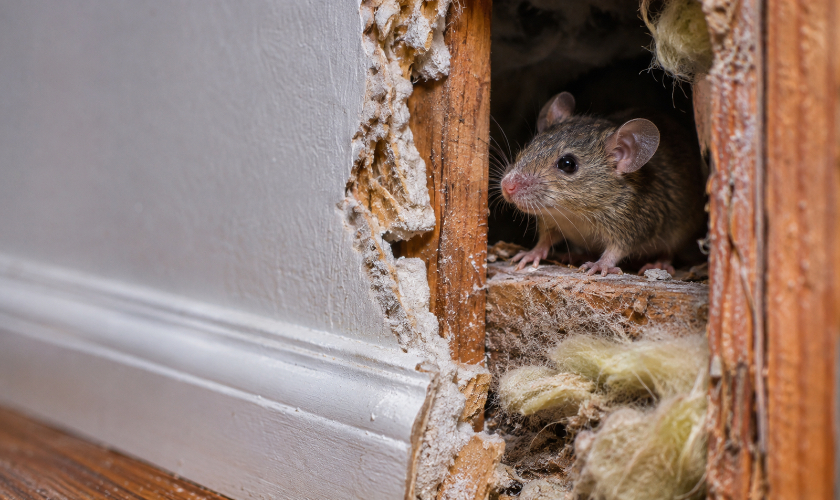
Scratching inside a wall at night can come from mice or rats, especially when you also notice gnawing, droppings, or movement above the ceiling. Plumbing, loose building materials, and other animals can create similar sounds. At Citra Pest Control, our rodent control services begin with an inspection to help determine whether rodents are using your San Jose home. We connect what you hear with physical signs so you can address the cause before considering whether to open a wall.
Listen for a Pattern You Can Describe
Start by noting when the noise happens and how long it lasts. Brief scurrying after dark, repeated scratching near the same corner, or movement that seems to cross the ceiling can suggest an animal traveling through a hidden space. Mice and rats are commonly active at night, but sound alone cannot tell you which species is present or how many animals are involved.
Write down the room and the closest landmark, such as the wall behind your refrigerator or the ceiling above a closet. Sound can travel through framing and pipes, so the loudest spot may be some distance from the animal. A phone recording may help us understand the rhythm, although a quiet recording can miss noises you hear clearly in person.
Pay attention to household equipment as well. If tapping begins whenever hot water runs or the heating system starts, expanding pipes or ductwork may be involved. A loose exterior component can also move when wind picks up. You can share these observations with us, and a plumber, HVAC professional, or building contractor may be appropriate if the pattern points toward a mechanical cause.
Look for Clues in Accessible Areas
Without opening the wall, check the nearby room for signs that an animal has been passing through. Look along cabinet edges, behind accessible appliances, and around stored food. Droppings, damaged packaging, shredded paper, and gnawing around an opening can support the possibility of rodents. Keep children and pets away from suspected waste, and avoid moving heavy appliances or reaching into areas you cannot see.
A garage or utility area can reveal a route that connects to the wall where you hear scratching. For example, a gap beside a pipe may lead into a concealed space, while damaged food packaging on a nearby shelf suggests a reason for a rodent to keep returning. We inspect these surrounding areas because the noise may be only one part of the problem.
You can also look outside from ground level. Check for a damaged vent screen, space beneath a door, or branches touching the roof. Those conditions are possible access routes, and an inspection helps establish which ones animals are actually using. Leave roof access and difficult attic inspections to someone equipped to work safely around heights, insulation, wiring, and fragile ceiling surfaces.
Keep Other Animals in the Investigation
Birds and squirrels often move during daylight, while rats and mice commonly move after dark. Those tendencies can help organize an inspection, but animals do not follow a perfect timetable. Wildlife may also use attics or wall cavities. Fluttering, calls, heavier movement, and a visible animal outside can add information that scratching alone cannot provide.
If you see bats, a raccoon, or another wild animal entering a building opening, give that information to the professional before anyone closes it. Species identification can affect the removal approach and the timing of exclusion. A qualified wildlife specialist may be needed. Avoid direct contact with wildlife or reaching into a suspected nesting space, even if the animal appears small or quiet.
We focus on confirming what is present before recommending rodent treatment. That keeps the inspection useful when your description could fit several causes. If accessible signs point away from rodents, the next step should follow those findings. Continuing to set rodent devices without a reasonable basis can delay the work that would actually resolve the sound.
Avoid Shortcuts That Complicate Removal
Drilling holes or opening drywall based on sound alone can damage plumbing or wiring and may miss the animal entirely. Likewise, placing loose poison inside a wall can leave you with an inaccessible carcass and an unresolved entry route. A control plan needs to consider where animals travel, how devices can be checked, and how removal will be monitored.
Sealing an opening also needs coordination. If animals remain inside, blocking their route can trap them or cause them to seek another way through the building. We evaluate accessible entry points as part of the control plan and explain which building issues need attention. Any work around vents, drains, or utility lines should preserve their intended function.
While you wait for an inspection, secure pet food and pantry items and keep the area where you found signs accessible. Avoid disturbing droppings or nesting material. Report a new smell, visible chewing, or a change in where you hear the noise. If you find damaged electrical wiring, have an electrician assess it rather than treating pest removal as a substitute for electrical work.
Turn the Noise Into Useful Information
Repeated scratching on several nights gives you enough reason to investigate even if you have never seen a rodent. You can help by keeping your observations specific and sharing what changed before the sounds began, such as recent roof work or a newly damaged vent. We use that information alongside the inspection, while keeping possible causes separate from confirmed findings.
If scratching in your walls is interrupting your nights, schedule a rodent inspection with Citra Pest Control. Tell us where and when you hear it and whether you have found droppings or gnawing nearby. We can help determine whether rodents are involved and explain the next steps for your San Jose home.