
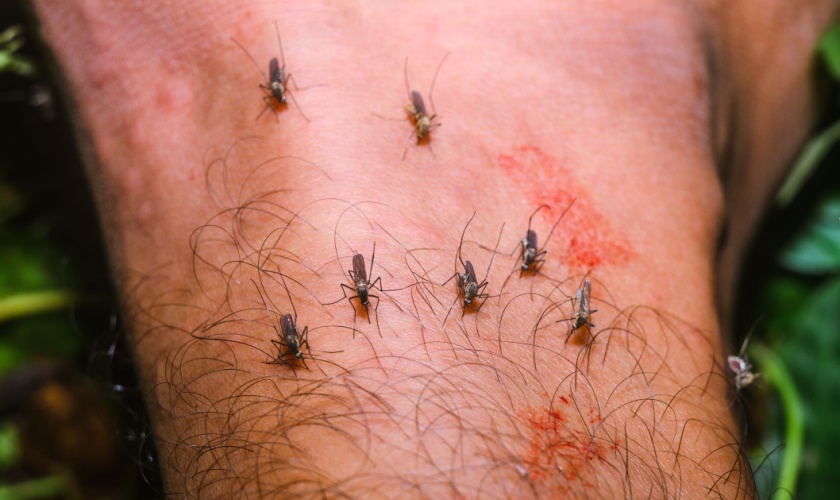
Yes—mosquitoes in San Jose can be dangerous. While most bites are nothing more than itchy irritations, certain species here are known carriers of West Nile Virus, a disease detected in Santa Clara County that continues to raise public health alerts. This makes mosquito season a genuine health concern for residents who want to keep their families safe.
West Nile Virus in San Jose: What You Need to Know
West Nile Virus (WNV) is the most common mosquito-borne illness in California, and San Jose is one of the areas where it has been detected. The virus spreads when mosquitoes feed on infected birds and then bite humans, making local bird populations an important part of the transmission cycle. While not every mosquito carries WNV, the presence of infected samples in Santa Clara County shows that residents should take the risk seriously during mosquito season.
Public health officials regularly monitor mosquito populations in San Jose by setting traps and testing both mosquitoes and dead birds for signs of the virus. These surveillance efforts help identify areas of higher risk and guide mosquito control treatments. When positive samples are found, vector control teams often respond with targeted spraying and public advisories, urging residents to reduce standing water around their homes and take personal precautions.
For most people, West Nile Virus causes no symptoms or only mild illness, but the potential for severe disease makes it a public health concern. In some cases, the virus can lead to neurological complications such as meningitis or encephalitis, which may require hospitalization. Older adults and individuals with weakened immune systems are especially vulnerable, which is why awareness and prevention are emphasized by local health agencies.
For San Jose residents, the takeaway is clear: mosquito season is not just an irritation; it’s a period when vigilance matters. Eliminating breeding sites, using repellents, and staying informed about county alerts are all part of reducing risk. By combining personal prevention with community-wide monitoring, residents can help keep West Nile Virus under control and protect their families from mosquito-borne disease.
Symptoms and Health Risks
Most people infected with West Nile Virus never realize it, as the majority of cases are asymptomatic. However, when symptoms do appear, they can range from mild to severe, and understanding the differences is important for recognizing when to seek medical attention.
- Mild illness (West Nile fever): About one in five infected individuals may develop flu-like symptoms. These often include fever, headaches, body aches, fatigue, and sometimes a skin rash or swollen lymph nodes. While these symptoms usually resolve on their own, they can last for several days and may leave a person feeling drained.
- Moderate illness: Some people experience more persistent fatigue, muscle weakness, or joint pain that lingers for weeks. This can interfere with daily activities and may be mistaken for other viral infections, making awareness crucial during mosquito season.
- Severe illness (neuroinvasive disease): In rare cases, the virus invades the nervous system, leading to serious conditions such as meningitis (inflammation of the membranes around the brain and spinal cord) or encephalitis (inflammation of the brain itself). Symptoms may include high fever, stiff neck, confusion, tremors, seizures, or even paralysis. These cases often require hospitalization and can result in long-term complications.
- High-risk groups: Older adults, people with weakened immune systems, and those with chronic health conditions are more likely to develop severe illness. For these groups, even a single mosquito bite from an infected mosquito can pose significant health risks, making prevention especially important.
What makes West Nile Virus particularly concerning is its unpredictability—most infections pass unnoticed, yet a small percentage can escalate into life-altering illness. This uncertainty is why prevention matters: every step you take to avoid mosquito bites is not just about comfort but about protecting yourself and those most vulnerable in your household.
How San Jose Tracks Mosquito Threats
Behind the scenes, Santa Clara County’s vector control teams monitor mosquito populations year‑round. They set traps, test mosquitoes and birds for West Nile Virus, and map out hotspots across neighborhoods. This surveillance allows them to respond quickly with treatments and alerts, turning community science into a frontline defense for public health.
What makes this system effective is its layered approach. Surveillance doesn’t stop at trapping mosquitoes—it extends to testing sentinel chickens, monitoring dead bird reports, and analyzing weather patterns that influence mosquito breeding. Data from these sources is combined to identify areas at higher risk, which helps officials decide where to focus treatments and outreach. Residents play a role too: by reporting dead birds, eliminating standing water, and staying alert to county advisories, they contribute to a network of prevention that strengthens community health. This collaboration between public agencies and everyday households ensures that San Jose isn’t just reacting to mosquito threats but actively anticipating and reducing them before they spread.
How to Protect Yourself
While public health agencies monitor and treat mosquito populations, prevention at home is essential. Here are practical steps San Jose residents can take:
- Eliminate standing water: Empty containers, unclog gutters, and refresh birdbaths regularly.
- Use EPA-approved repellents: Products containing DEET, picaridin, or oil of lemon eucalyptus are effective.
- Wear protective clothing: Long sleeves and pants reduce exposed skin during peak mosquito hours (dusk and dawn).
- Install screens: Keep windows and doors fitted with tight screens to block entry.
- Stay informed: Sign up for Santa Clara County mosquito treatment alerts to know when local spraying is scheduled.
Protecting yourself from mosquitoes isn’t just about avoiding bites—it’s about breaking the cycle of transmission. Each small step, from clearing water to using repellents, reduces the chance of West Nile Virus spreading in San Jose and helps keep your household healthier through the season.
Health Security Begins at Home
Mosquito control isn’t just about comfort—it’s about protecting your health. Partnering with a trusted local pest control company ensures you’re not only reducing bites but also lowering the risk of mosquito-borne diseases.
Citra Pest Control delivers mosquito management tailored to San Jose’s unique environment. Our approach combines safe, effective treatments with practical guidance to eliminate breeding sites and reduce mosquito populations around your home. By pairing professional expertise with ongoing protection plans, we make it easier for families to enjoy their outdoor spaces without the constant worry of mosquito-borne threats. Schedule your mosquito control service with Citra Pest Control today and put lasting protection in place for your household against West Nile Virus and other local risks.