
Proudly Serving Santa Clara, San Mateo & Alameda Counties
Call Us Right Now: (408) 642-5390
Categories
Rodents

Roof Rats vs. Norway Rats: Which One Is in Your Santa Clara Home?

The rat running along your fence may be a roof rat, while a rat using a burrow beside your foundation may be a Norway rat. Body shape, tail length, and nesting location can help distinguish them, although a quick glimpse rarely settles the question. At Citra Pest Control, we use rodent inspections and control to identify the problem in your Santa Clara home and determine where control efforts should focus. Knowing which rat is present helps us choose where to look and place devices.

Compare the Body and Tail

Roof rats generally have slender bodies, pointed noses, and relatively large ears. Their tails are usually longer than the head and body combined. If you have a clear photo from a security camera, the tail’s length relative to the rest of the animal can be especially useful. Color varies, so a dark coat by itself provides limited information.

Norway rats usually appear heavier through the body, with blunter noses and smaller ears relative to their heads. Their tails are shorter than the head and body combined. A young Norway rat can look small enough to be mistaken for another rodent, which is why we consider several features together. Size alone can mislead you when you lack a clear view or a nearby object for comparison.

Keep your distance if you spot either animal. You can save a camera clip or photograph without approaching a rat or trying to catch it by hand. A useful image shows the whole animal from the side. If you only see a head disappearing beneath a cabinet, describe what happened and let an inspection fill in the missing details.

Their Preferred Nesting Areas Differ

Roof rats climb readily and often use trees, dense vegetation, and elevated spaces. Inside a home, that can include an attic, a wall cavity, or the area above a ceiling. Fences, branches, and nearby structures can give them routes toward the roof. In a Santa Clara yard, fruit trees close to the house are worth checking for feeding damage and branches that connect to the building.

Norway rats commonly burrow in the ground and often travel along foundations or beneath stored materials. Indoors, they tend to use lower areas where food and shelter are accessible. A burrow opening near a shed or trash area may warrant inspection, particularly when you also find gnawing or droppings nearby. Other animals make holes too, so the opening needs to be evaluated in context.

Both species can climb, enter buildings, and move beyond their usual nesting areas. A rat seen on a garage floor could have come down from a shelf or wall opening. We look at the full route rather than assigning a species solely from the room where you noticed it. That approach also helps reveal access points you may not have considered.

Read the Signs Without Handling Them

Droppings, gnawed packaging, and rub marks along frequently used edges can help locate rat travel routes. Roof rat droppings tend to be more pointed at the ends, while Norway rat droppings often have blunter ends. Age, moisture, and the material underneath can change their appearance. We treat those differences as supporting clues alongside nesting sites and the animal’s physical features.

You might hear movement overhead, find chewed fruit in the yard, or notice disturbed soil beneath a structure. Each observation narrows the search, but several animals can create similar signs. Take photographs before cleaning and note the locations. Avoid sweeping or vacuuming rodent waste, which can stir contaminated particles into the air. If cleanup is needed, use appropriate wet disinfection methods or get help assessing extensive contamination.

Also consider when and where food becomes available. Pet bowls left outside overnight, accessible birdseed, and poorly closed trash containers can feed either species. Gnawed food packaging in a garage may indicate a route between outdoor shelter and indoor storage. Removing those food sources helps reduce what keeps rats returning, regardless of which species is involved.

Why Identification Changes the Control Plan

A device placed on the ground may miss a roof rat using an overhead beam. A search limited to the attic may miss Norway rat burrows beside the building. We match the inspection and control plan to the routes we can identify, while accounting for children, pets, and other animals that could reach a device.

Entry prevention also depends on the route. A damaged roof vent requires different work from a gap beneath a ground-level door. We evaluate openings alongside the effort to remove rats already inside. Closing access without a plan can leave animals trapped in a wall or attic. Ventilation, drainage, and utility access also need to remain functional when openings are addressed.

Follow-up helps determine whether rats are still using the home and whether another opening needs attention. You can support that work by keeping storage accessible and telling us about new noises or damage. If a trap catches one rat, continue with the recommended monitoring plan. Other animals may still be present, and the route that allowed entry may still be available.

Find Out Which Rat Is Using Your Home

If you are unsure whether you have roof rats or Norway rats, ask Citra Pest Control to inspect your Santa Clara home. Share any photos, burrow locations, or overhead noises you have noticed. We can help identify the rodent involved and explain how its nesting and travel habits guide the next steps for your property.
Categories
Ants

Why Do Ants Come Inside San Jose Homes After It Rains?

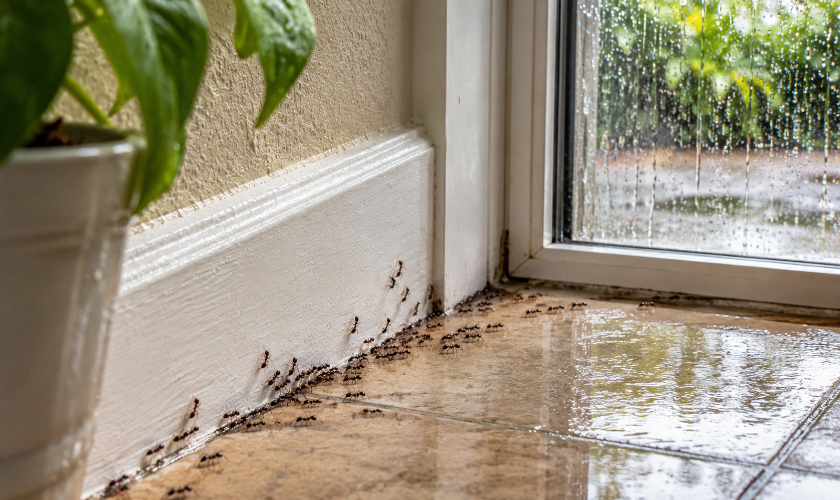
Rain can soak outdoor nesting areas and send ants searching for drier shelter. If you find a trail across your San Jose kitchen after a storm, food or moisture inside may help keep those ants coming back. At Citra Pest Control, our ant control services address the ants entering your home and the conditions supporting them. We start by identifying the ants and following their routes so we can recommend treatment for the problem at your property.

Why Rain Can Change Where Ants Travel

Ants use protected spaces in soil, beneath objects, and around landscaping. When rain reaches those spaces, some colonies move to nearby shelter. Workers may also change their usual routes as water collects around a foundation or washes across a walkway. A small opening beside a pipe or window can give them access to the inside of your home.

The timing offers a useful clue, but the weather alone cannot explain every trail. Ants may already have been traveling through a wall gap before you noticed them. A storm can make their movement more visible, particularly when workers begin crossing a counter or gathering around a sink. We consider where you first noticed them and whether similar trails appeared before the rain.

In San Jose, preparing for the wetter part of the year includes checking the places where rainwater collects near your home. Overflowing gutters, a downspout emptying beside the foundation, or an irrigation leak can leave sheltered areas damp. Correcting those conditions helps reduce moisture problems and makes it easier to distinguish storm runoff from a plumbing issue.

Why Ants Stay After the Weather Clears

A dry indoor space can become a dependable feeding stop. Crumbs beneath a toaster, a sticky bottle in the pantry, or pet food left out overnight may provide enough food to sustain a trail. Ants leave chemical trails that help other workers find the same resource, which explains how a few ants can become a steady line across your counter.

Bathrooms and laundry rooms can also attract ants. A slow drip beneath a sink, condensation, or water around a pet bowl may draw workers even when food is stored carefully. You can learn something useful by noting what the ants approach. A trail ending at a damp cabinet calls for a different household correction than one ending inside an open cereal box.

Ant species also differ in their nesting habits and food preferences. Small ants entering after rain should be identified before you choose a product. A treatment that kills visible workers may leave the source untouched. We use the ants’ identity, their route, and the conditions around your home to decide which approach is appropriate.

What You Can Do When a Trail Appears

Before wiping the trail away, take a clear photo and note where the ants enter the room. Watch from a comfortable distance long enough to see whether they are coming from a window frame, cabinet seam, or plumbing opening. That information can help us trace their route, especially if the ants disappear before a service visit.

Clean food residue with ordinary household cleaning methods, and store open foods in containers with secure lids. Wiping an untreated trail with soapy water can remove the scent workers follow. Wash sticky recycling containers and check beneath small appliances where crumbs collect. These steps reduce the rewards ants find indoors without requiring you to spray every surface they cross.

If bait or another treatment has already been placed, follow the product label and your technician’s instructions before cleaning or applying anything nearby. Spraying ants around a bait can interfere with workers carrying it back to the colony. Keep products away from children and pets as directed, and avoid combining treatments simply because ants remain visible immediately afterward.

Check the Exterior When Conditions Are Safe

After the storm, look at the ground around downspouts and the outside of the room where you found ants. Move stored items away from the siding so you can see the wall and allow the area to dry. Trim plants that touch the house when appropriate for the plant, and correct irrigation that repeatedly wets the foundation.

Small gaps around windows and utility penetrations may need attention. Use materials suited to the building and the opening, and keep drainage paths and ventilation clear. If ants are coming from an electrical outlet or another inaccessible space, leave that area intact and arrange an inspection. Spraying into electrical openings or taking apart a wall can create additional problems.

Keep a short record if the ants return after each rain. The room, approximate time, and route are more useful than a guess about the colony’s size. You may notice that one downspout overflows before the same kitchen trail appears. Sharing that pattern helps us investigate the cause without assuming that every storm brings a new colony inside.

Get Help With Recurring Ant Trails

Recurring trails, ants in several rooms, or workers returning after you remove food and water sources are good reasons to have the problem assessed. We can inspect the accessible areas, identify likely routes, and explain what treatment and household changes may help. The goal is to address the source while giving you practical steps you can maintain between visits.

If rain keeps sending ants into your San Jose home, contact Citra Pest Control about your ant problem. Tell us where you are finding them and how their appearance relates to the weather. We can help you work toward a plan that fits the ants involved and the conditions around your home.