Proudly Serving Santa Clara, San Mateo & Alameda Counties
Call Us Right Now: (408) 642-5390
Categories
GPC

What Time of Year Are Pests Worst in San Jose?

San Jose does not have a single worst season for pests—different species peak at different points in the year, and the mild climate means that no month is truly free of pest activity. For homeowners trying to understand when to expect increased pressure and why, a month-by-month view of pest patterns in Santa Clara County provides more useful information than a general answer. Our residential pest control services run year-round because the pest calendar here requires it, and the overview below explains what is driving activity at each point in the year.

Winter: January and February

Pest activity in San Jose is at its lowest point in winter, but low is not zero. Argentine ants remain active and continue to enter homes, particularly during rain events when saturated soil floods shallow nesting areas and pushes colonies toward higher ground inside structures. Rodents that established entry points in fall continue using them through winter. German cockroaches already inside heated structures breed without interruption regardless of outdoor temperatures.

Spring: March Through May

Spring is when pest pressure builds most rapidly in San Jose. Warming soil temperatures trigger Argentine ant colonies to expand significantly—worker populations grow, foraging range increases, and new satellite nests are established. This is when ant trailing inside homes intensifies for most homeowners in the area. Spiders become more active as insect populations they feed on increase. Stinging insects begin building nests in April and May as queens emerge from overwintering and establish new colonies.

Early Summer: June and July

As San Jose’s dry season sets in, outdoor foraging conditions for moisture-dependent insects deteriorate, and pest pressure shifts toward structures. Argentine ant activity inside homes often peaks in June and July, when colonies actively seek water. Cockroach populations that have been building through spring reach significant numbers. Mosquito activity builds through June as spring breeding sites produce adult populations.

Roof rats are highly active during summer, with breeding occurring across multiple cycles through the warm months. Properties adjacent to open space and agricultural areas—particularly in the southern county around Morgan Hill—see increased rodent activity as dry conditions in open habitat push animals toward irrigated residential areas.

Late Summer: August and September

Late summer is the peak period for stinging insects throughout Santa Clara County. Yellow jacket colonies are at their largest, and workers become noticeably more aggressive in August and September as the colony focuses on defending resources in preparation for the end of the season. This is when yellow jacket calls are most common, particularly for ground nests on properties adjacent to open space. Flea populations in yards and homes also peak through late summer following several cycles of reproduction in warm conditions.

Fall: October and November

Fall brings a different pattern of pest pressure. As temperatures cool and outdoor food sources become less available, rodents intensify their movement toward structures. Roof rats and mice are more likely to establish entry points in fall than at any other time of year, and homes that have not had exclusion work done are most vulnerable during this period. Stinging insect colonies die back in October and November, with only queens surviving to overwinter.

What This Means for Your Protection Program

Each season in San Jose presents a different primary pest concern, and a program that only addresses the most visible current problem misses the preparation and prevention work that reduces the next season’s pressure. Treating ants reactively in summer without maintaining perimeter protection through spring leaves a home exposed during the period when colonies are expanding most rapidly. Addressing a rodent problem in winter after entry points were established in fall costs more and takes longer than exclusion work done before the fall movement begins.

Citra’s home protection programs provide consistent coverage timed to these seasonal patterns. Contact us for a free estimate and we will recommend the service frequency that fits your property.
Categories
GPC

Why Santa Clara Homes Deal with Pest Problems Year-Round

Homeowners in Santa Clara and the surrounding cities often notice that pest activity does not follow the seasonal pattern they would expect. The absence of a true slow season for pest activity in this region has a direct explanation, and it can help you understand why a single annual treatment or a reactive approach to pest problems produces inconsistent results. Our residential pest control services are structured around year-round protection because that is what Santa Clara County conditions require.

No Killing Frost

The most significant factor separating the pest environment in Santa Clara County from most of the rest of the country is the near-complete absence of killing frost. In climates where winter temperatures drop to sustained freezes, a large share of insect populations die back each year. Ant colonies thin. Cockroaches outside of structures perish. The pest pressure that builds through spring and summer resets to some degree each winter, giving homeowners a natural break that reduces the baseline population they face the following season.

Santa Clara County does not have this. Winter overnight lows in the valley floor rarely drop below the mid-30s, and sustained freezing temperatures are uncommon enough that they cannot be relied upon to meaningfully reduce pest populations. Argentine ant colonies that established near a foundation in spring are still fully intact and active in February. German cockroaches that found their way into a kitchen in summer continue reproducing through winter. The pest pressure that builds through the warm months carries forward rather than resetting.

Mild Winters Keep Rodents Active

Mild winters also affect rodent behavior in ways that increase contact with structures. In cold-winter climates, rodents have a strong seasonal incentive to move indoors in fall and early winter as temperatures drop. In Santa Clara County, that pressure exists to a lesser degree and extends across more of the year. Roof rats, in particular, are active and capable of breeding throughout the year in this region—their population dynamics are not governed by seasonality the way they are in colder climates. A home without active rodent exclusion and monitoring is exposed year-round rather than primarily during a defined fall window.

Dry Summers Drive Pests Toward Structures

California’s dry summer pattern creates a different but equally consistent source of pest pressure. As outdoor conditions become increasingly dry between June and October, moisture-seeking insects move toward the irrigated landscaping, foundation moisture, and indoor water sources associated with residential structures. Argentine ant activity inside homes frequently peaks during dry summer months as colonies search for water. Earwigs, silverfish, and cockroaches follow a similar pattern, concentrating in the moisture-rich environments inside homes as outdoor habitat dries out.

This means that the dry season—which one might expect to reduce pest activity—actually corresponds with increased interior pest pressure for many homeowners in Santa Clara County.

Year-Round Landscaping Irrigation

Residential and commercial irrigation throughout the Santa Clara Valley sustains the moist soil conditions near structures that support large ant colonies even during the dry season. Properties with irrigated planting beds, lawn areas adjacent to the foundation, or automatic drip systems near the perimeter maintain the conditions that Argentine ants and other moisture-dependent insects require to sustain large, well-established colonies. This effectively removes the dry season as a limiting factor for the pest species most likely to affect the interior of the home.

What Year-Round Protection Accomplishes

A quarterly treatment program maintains a treated perimeter that is refreshed before it loses effectiveness. Bi-monthly and monthly programs provide more consistent coverage for properties with higher pest pressure or more frequent reinfestation from neighboring areas. All of Citra’s home protection plans include free retreats if activity develops between scheduled visits—because pest pressure in this region does not wait for a scheduled visit to test the perimeter.

Our plans cover ants, cockroaches, spiders, earwigs, silverfish, flies, and other common household pests. View plan options or contact us for a free quote.

Categories
GPC

Common Household Pests in Santa Clara County

Santa Clara County covers a wide range of environments—from the dense urban core of San Jose to the hillside communities bordering open space, the agricultural southern valley around Gilroy and Morgan Hill, and the bayside cities along the western corridor. What these areas share is a Mediterranean climate that keeps pest activity running through most of the year and a development pattern that puts residential properties in consistent contact with wildlife habitat. Our residential pest control services cover the full range of species that affect homes throughout the county. Below is a straightforward overview of the pests homeowners encounter most often.

Argentine Ants

Argentine ants are the most frequently reported pest in Santa Clara County homes and are responsible for the vast majority of ant activity inside structures throughout the region. Their supercolony structure—in which interconnected colonies share workers and resources rather than competing with each other—makes them far more persistent than most ant species. A single treatment of visible trailing activity does not resolve Argentine ant pressure because the workers simply reroute from a population that numbers in the millions across a given neighborhood. Effective control requires products and application methods that reach the colony rather than only the surface foragers.

German Cockroaches

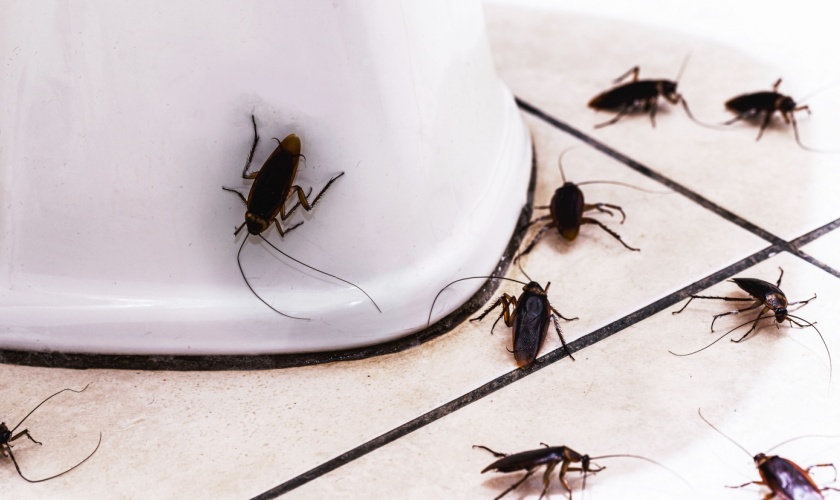
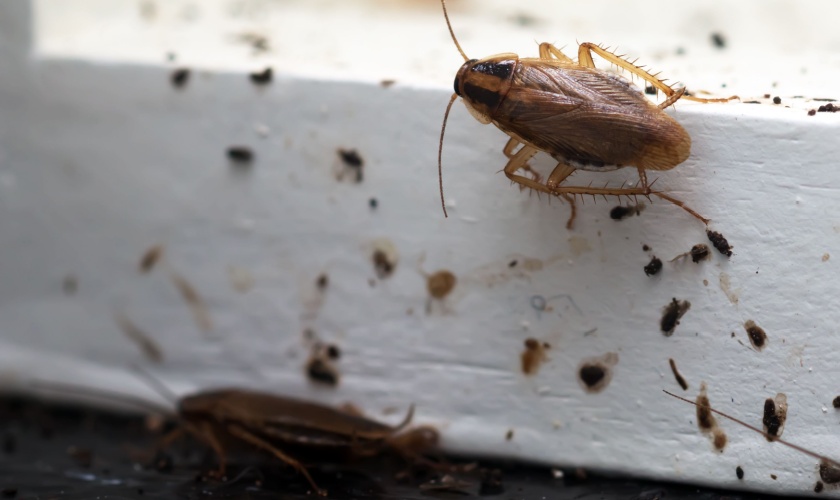
German cockroaches are the most common indoor cockroach species in the county, found in residential kitchens and bathrooms as well as in commercial food service environments. They are small, fast-reproducing, and adept at hiding in the cracks and void spaces of kitchen cabinetry, under appliances, and near plumbing. A German cockroach infestation that goes untreated for a full season can grow to a significant population. Our cockroach control services use targeted treatments that address harborage areas rather than only visible activity.

Roof Rats

Roof rats are widespread throughout urbanized Santa Clara County. They are excellent climbers and access homes through gaps near rooflines, utility penetrations, and overhanging vegetation. San Jose’s mild winters mean that roof rat populations do not decline seasonally the way they might in colder climates—active monitoring and exclusion are the most practical long-term approach for properties that see recurring rodent activity. Exclusion work – sealing the structural entry points that allow access – is available as a standalone service through Citra.

Spiders

Two categories of spiders affect Santa Clara County homeowners. Black widow spiders are present throughout the county and are common in garages, storage sheds, wood piles, and undisturbed outdoor areas. They are medically relevant and warrant professional treatment when found in areas with regular human or pet activity. Common household spiders—including cellar spiders, cobweb spiders, and others—are a nuisance primarily because of the webs and debris they leave behind. All Citra home protection programs include lower-level cobweb removal as a standard component of each service visit.

Earwigs and Silverfish

Both species seek moisture and are common in bathrooms, kitchens, laundry rooms, and crawl spaces throughout Santa Clara County. Earwigs occasionally appear in large numbers when outdoor conditions shift and drive them toward structures. Silverfish cause damage to paper, book bindings, wallpaper, and natural fiber materials over time. Both are covered under all three of Citra’s home protection programs.

Fleas

Flea pressure in Santa Clara County is closely tied to pet ownership and to the wildlife—particularly raccoons, opossums, and feral cats—that carry fleas through residential neighborhoods. A yard that wildlife passes through regularly can develop a flea population even in the absence of pets. Indoor flea infestations are difficult to eliminate without professional treatment because flea eggs and pupae are resistant to contact insecticides and continue developing after surface treatment.

Stinging Insects

Yellow jackets, paper wasps, and bald-faced hornets build nests throughout the county on residential properties—under eaves, in wall voids, in ground nests, and in trees and shrubs. Late summer is when colonies are largest and worker activity is most intense. For homeowners in hillside communities adjacent to open space, stinging insect pressure tends to be more sustained than in denser neighborhoods.

Citra Pest Control is a family-owned company serving all of Santa Clara County since 2015, with membership in the NPMA and Pest Control Operators of California. Get a free estimate to find the right protection plan for your home.

Categories
GPC

The Complete Guide to Pest Control in Morgan Hill, CA

Morgan Hill sits at the southern end of Santa Clara County, where the valley narrows between the Santa Cruz Mountains and the Diablo Range, and residential neighborhoods back directly onto agricultural land, open hillsides, and the wildlife corridors that connect to the broader Bay Area green belt. The pest pressures that affect Morgan Hill homes reflect this geography—and they differ in meaningful ways from what homeowners in the denser northern parts of the county typically experience. Our Morgan Hill pest control services are tailored to the species and conditions specific to this part of Santa Clara County.

The Geographic Context

Morgan Hill’s location at the valley’s southern edge means that the transition from residential development to open space is short. Many properties in and around Morgan Hill have direct adjacency to hillside habitat, vineyard land, or undeveloped parcels that support large populations of rodents, ground squirrels, and wildlife. This proximity creates sustained pest pressure from species that move between open habitat and residential structures, particularly as seasonal conditions change.

Rodents

Rodent pressure is among the most consistent pest concerns for Morgan Hill homeowners, and it is driven by the surrounding open space as much as by the residential environment itself. Roof rats are common in this area, accessing homes through rooflines, utility lines, and gaps near eaves. Ground-dwelling rodents, including mice, also enter structures—particularly in fall and winter when outdoor conditions push them toward warmth and food sources inside.

The agricultural and vineyard land surrounding Morgan Hill supports rodent populations at densities that are not typical of more urbanized parts of the county. For properties adjacent to fields or undeveloped hillside, rodent exclusion—sealing the structural entry points that allow rodents to access the home—is an important component of long-term control alongside elimination of existing activity. Our rodent control services cover both treatment and exclusion.

Ants

Argentine ants are present throughout Morgan Hill, as they are across most of Santa Clara County. In this area, colonies frequently bridge the transition between irrigated residential landscaping and the dry hillside habitat adjacent to developed lots. Properties with mature trees, dense ground cover, or moisture-retaining mulch beds near the foundation tend to see more consistent ant pressure. Interior ant activity typically follows moisture sources—kitchen sinks, dishwasher lines, bathroom plumbing—and increases during the dry season when outdoor foraging conditions become less hospitable.

Stinging Insects

Yellow jackets, paper wasps, and bald-faced hornets are active throughout the Morgan Hill area and are particularly common on properties adjacent to open space. Yellow jackets frequently nest in the ground on hillside properties, in wall voids, and under decking—and their populations are largest in late summer and early fall when colonies reach their seasonal peak. Homeowners who spend time outdoors in the evening or have fruit trees on their property tend to have more contact with yellow jackets during this period. Our stinging insect control services address nest identification and removal for all three species.

Spiders

Black widow spiders are found throughout Morgan Hill, particularly in garages, storage areas, wood piles, and under outdoor structures. Properties adjacent to undeveloped land tend to see more consistent black widow activity than those in denser neighborhoods. Western black widows are one of the few spider species in California with venom that poses a medical risk, and regular perimeter treatment to reduce populations around the home is the practical approach for households with children, pets, or frequent garage and shed use.

Mosquitoes and Ticks

Morgan Hill’s proximity to open space, seasonal creeks, and the hiking and trail network of the surrounding hills creates real tick and mosquito exposure for families who spend time outdoors. Tick pressure is particularly relevant for properties near grassland and chaparral habitat, where deer and rodent populations that host ticks are common. Our mosquito control and flea and tick control services address both yard treatment and seasonal protection programs.

Getting the Right Program for a Morgan Hill Property

The right pest control approach for a Morgan Hill home depends on the specific location—distance from open space, landscaping type, construction age, and the pest species currently active on the property. Citra Pest Control has served Morgan Hill and surrounding areas since 2015 and understands the conditions that drive pest pressure in this part of the county. Contact us for a free inspection and quote.

Categories
GPC

Why Pest Problems Are So Common in Silicon Valley Homes

Silicon Valley is one of the most developed regions in California, with dense residential neighborhoods, extensive commercial infrastructure, and a pattern of suburban growth that has pushed directly against the foothills and open space that border the valley on both sides. That development pattern, combined with a climate that provides no meaningful cold-weather relief for pest populations, creates conditions where pest pressure is both persistent and varied. Our residential pest control services cover the range of species that affect homes throughout Santa Clara County, and the factors below explain why so many homeowners in this region deal with recurring pest issues despite maintaining clean, well-kept properties.

The Foothill Interface

The Santa Cruz Mountains to the west and the Diablo Range to the east create a wildlife corridor that borders residential neighborhoods throughout the valley. Rodents, skunks, raccoons, and the full range of insects that live in undeveloped habitat move into residential areas regularly—particularly as dry summers reduce food and water availability in the open space. Neighborhoods in Los Gatos, Saratoga, Morgan Hill, and the hillside communities of San Jose sit directly at this interface, but the movement extends well into the valley floor as rodents and other pests follow drainage corridors and utility infrastructure into denser neighborhoods.

Year-Round Irrigation Sustains Pest Populations

Silicon Valley’s dry summers do not significantly reduce pest activity around homes the way they would in regions without widespread landscape irrigation. Residential landscaping, commercial properties, parks, and street trees all receive regular irrigation through the dry season, which sustains the moisture conditions that ants, cockroaches, earwigs, and silverfish require. Argentine ant populations in particular are closely tied to soil moisture near structures—irrigated landscaping adjacent to the foundation provides the conditions that support large, well-established colonies throughout the summer.

Dense Development Creates Continuous Pest Habitat

Pests do not recognize property boundaries, and the density of Silicon Valley’s residential development means that pest populations move continuously through connected habitats—utility lines, shared fencing, adjacent landscaping, and the storm drain infrastructure that runs beneath neighborhoods. Roof rats travel between properties along utility lines and fence tops. Argentine ants maintain supercolony networks that cross multiple lots. A treatment program that addresses your property without accounting for this continuous exposure from neighboring areas needs to be robust enough to maintain a reliable, treated perimeter.

Housing Stock and Construction Gaps

San Jose and the surrounding cities contain a large percentage of mid-century housing, much of which has accumulated gaps, deteriorated weatherstripping, and aging foundation seals that pests use to move inside. Homes built in the 1950s through 1970s were not constructed to the tighter standards that newer building codes require. As these homes age, the number of access points tends to increase rather than decrease without active maintenance. Even newer construction in this region has vulnerabilities—roof rats access homes through gaps near eaves that are standard in certain framing configurations, and ants require very little space to establish entry.

Food Service and Commercial Density

The concentration of restaurants, food-service businesses, and commercial kitchen operations throughout Silicon Valley’s cities supports cockroach and rodent populations at a scale that is not present in more rural areas. Commercial pest pressure in dense urban areas has a spillover effect on nearby residential properties, particularly in neighborhoods where commercial and residential uses are close together.

What This Means for Homeowners

Pest problems in Silicon Valley homes are not primarily a function of cleanliness or property upkeep—they are a function of location. The climate, the development pattern, the irrigation, and the continuous exposure from the surrounding habitat all contribute to pressure that well-maintained homes experience alongside neglected ones. The practical response is a consistent protective program that maintains a treated perimeter rather than a reactive approach that responds only after problems become visible.

Citra Pest Control serves homeowners throughout Santa Clara, San Mateo, and Alameda Counties. View our protection plans or request a free estimate to get started.