
Proudly Serving Santa Clara, San Mateo & Alameda Counties
Call Us Right Now: (408) 642-5390
Categories
Spiders

What Spiders Are Most Common in San Jose and the South Bay?

The South Bay is home to a wide range of spiders, most of them harmless and even helpful in controlling other pests. Knowing which spiders are common in San Jose helps homeowners understand what they are seeing and recognize the few species that call for caution. While the vast majority of local spiders pose no threat, a couple warrant respect, which is why professional spider control focuses on identification as much as treatment.

Common House Spider

The common house spider is one of the spiders San Jose homeowners encounter most often. Small and brownish, it builds tangled webs in corners, ceilings, garages, and other quiet indoor spots. These spiders are harmless to people and feed on flies, mosquitoes, and other insects that make their way inside. Their webs are often the cobwebs found in the corners of rooms and around light fixtures.

Cellar Spiders

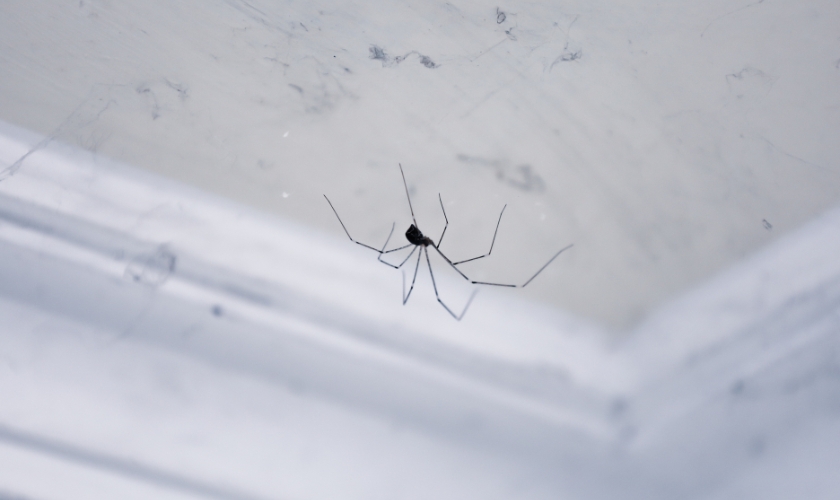
Cellar spiders, often called daddy long-legs, are the long, thin-legged spiders found in garages, basements, crawl spaces, and other damp, undisturbed areas. They build loose, irregular webs and are completely harmless to people. Cellar spiders are beneficial, as they prey on other insects and even other spiders, helping keep indoor pest populations down.

Orb Weavers

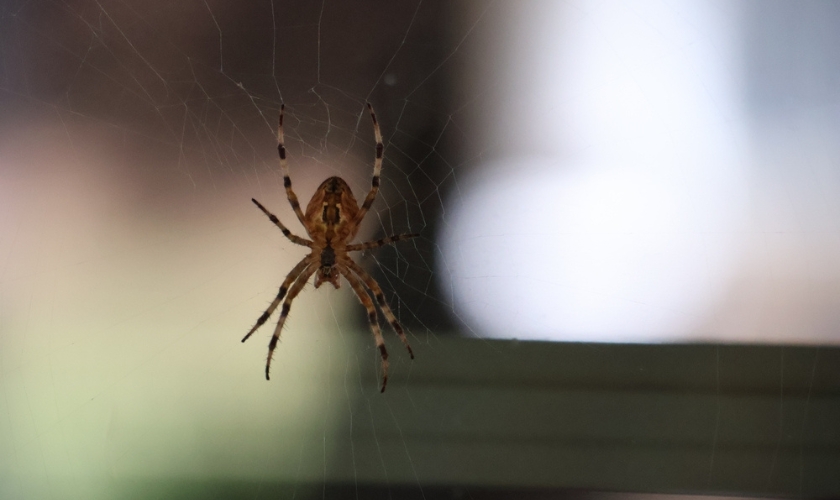
Orb weavers are the spiders responsible for the large, circular webs that appear in gardens, doorways, and between shrubs, especially in late summer and fall. These spiders can look intimidating due to their size and colorful markings, but they are not dangerous to people. Orb weavers are valuable predators that catch large numbers of flying insects, and they typically stay outdoors where their webs can span open spaces.

Wolf Spiders

Wolf spiders are large, fast-moving ground hunters that do not build webs to catch prey. Instead, they chase down insects across the ground and sometimes wander indoors, particularly as the weather changes. Their size and speed can be alarming, but wolf spiders are not dangerous and help control insect populations around a property.

Jumping Spiders

Jumping spiders are small, compact spiders that are active during the day and often seen on walls, fences, and around windows. Known for their quick movements and excellent eyesight, they hunt insects without webs. Jumping spiders are harmless and are among the more curious and less threatening spiders homeowners encounter.

Western Black Widow

The western black widow is the most significant venomous spider in the South Bay. Adult females are glossy black with a red hourglass marking on the underside of the abdomen. They prefer dark, undisturbed areas such as garages, sheds, woodpiles, and the underside of outdoor furniture. Black widows are not aggressive, but their venom is medically significant, so their presence around a home should be taken seriously.

False Widow

The false widow is a spider commonly mistaken for the black widow throughout the Bay Area. Dark brown and similar in shape, it lacks the bright red hourglass marking and is far less dangerous, though its bite can cause discomfort. False widows are common around homes and often turn up in garages, sheds, and outdoor storage areas. Because they resemble black widows, professional identification is helpful when these spiders appear.

A Note on the Brown Recluse

Many homeowners worry about the brown recluse, but it is worth clarifying that the brown recluse is not established in California, including San Jose and the South Bay. Spiders blamed for recluse bites in the area are almost always a different, harmless species. Understanding this helps homeowners avoid unnecessary worry while still respecting the spiders that do warrant caution, namely the black widow. When in doubt, having a spider identified by a professional is the safest way to know what is present.

What Homeowners Can Do

A few steps help reduce spider activity around a South Bay home:

  • Remove webs and egg sacs from eaves, corners, and storage areas.
  • Reduce clutter in garages, sheds, and basements.
  • Seal gaps around doors, windows, and utility lines.
  • Keep woodpiles and vegetation away from the foundation.
  • Reduce the insects spiders feed on with regular pest control.

These measures lower spider activity, though established populations, especially of black widows, call for professional treatment.

How Citra Pest Control Can Help

Correct identification is the starting point for any spider problem, since the harmless species behind most sightings call for a very different response than a black widow. Citra Pest Control is a family-owned company whose trained technicians identify what is present, clear webs and egg sacs, and treat the areas where spiders shelter. If you want to determine exactly what you are dealing with in your home, you can get in touch for a free quote and have the spiders around your property identified and handled.

Categories
Spiders

Why Are There So Many Spiders Around San Jose Homes in Late Summer?

Every year as summer winds down, San Jose homeowners notice the same thing: spiders seem to appear everywhere, spinning webs across doorways, eaves, and garden corners. This late-summer surge is a predictable part of the spider life cycle, driven by mating season and an abundance of prey. Understanding why spiders become so visible this time of year helps homeowners know what to expect and when professional spider control makes sense.

Late Summer Is Peak Spider Season

The biggest reason spiders seem to appear all at once in late summer is timing. Many spiders hatch in spring, spend the warm months growing, and reach maturity in late summer and early fall. As they mature, males begin wandering in search of mates, which brings them out of hiding and into view. Spiders that were small and unnoticed earlier in the year are now full-sized and far more visible, crossing floors, walls, and patios in greater numbers.

Orb Weavers Build Their Largest Webs

The large, intricate webs that appear across gardens, porches, and eaves in late summer are usually the work of orb weavers. These spiders reach full size by the end of summer and construct their biggest webs during this period, often in the same spots night after night. In the South Bay, orb weavers are a familiar sight in September and October, building webs in doorways and between shrubs where flying insects travel. Their sudden prominence is one of the clearest signs of the season.

An Abundance of Prey

Spiders follow their food, and late summer provides plenty of it. The warm months produce large populations of flies, mosquitoes, moths, gnats, and other insects, giving spiders an ample food supply. Wherever insects gather, spiders settle nearby to hunt them. A property with heavy insect activity in late summer will support a larger spider population as a direct result, which is why reducing insects around a home also reduces spiders.

The Mild Climate Keeps Spiders Active

San Jose’s Mediterranean climate, with warm, dry summers and mild winters, allows spiders to remain active for much of the year. Without the hard freezes that reduce spider populations in colder regions, spiders in the South Bay have a long season to grow and reproduce. This extended activity means late-summer populations can build to noticeable levels and persist well into the fall.

Why Spiders Move Toward Homes

As summer ends, spiders are drawn to the areas around homes for shelter, prey, and, eventually, a place to wait out cooler weather. Exterior lighting attracts the insects spiders feed on, concentrating both around entryways, porches, and garages. Eaves, corners, and fences offer anchor points for webs. As the season shifts, some spiders also begin looking for sheltered spots closer to or inside the home, which increases the sightings homeowners report.

Common Late-Summer Spiders in San Jose

Most spiders homeowners see in late summer are harmless and help control other pests. Orb weavers build the large garden webs, while common house spiders and cellar spiders gather in corners, garages, and quiet areas. Wolf spiders hunt along the ground, and jumping spiders are active on walls during the day. The area is also home to the western black widow and the false widow, which is why any spider problem is worth a closer look.

What Homeowners Can Do

A few steps help reduce late-summer spider activity around a San Jose home:

  • Remove webs regularly from eaves, doorways, and corners.
  • Reduce clutter in garages, sheds, and storage areas.
  • Seal gaps around doors, windows, and utility lines.
  • Switch exterior lighting to bulbs that attract fewer insects.
  • Keep shrubs and vegetation trimmed back from the house.

These measures make a home less inviting, though a large outdoor population in peak season often continues to send spiders toward the house.

How Citra Pest Control Handles Spiders

Because spiders are drawn by the insects around a home, we treat both the spiders and their food source for lasting results. At Citra Pest Control, our technicians treat the perimeter, remove webs, and reduce the prey insects that attract spiders in the first place. Our Home Protection plans provide year-round coverage for household spiders and other common pests, with cobweb removal included and a satisfaction guarantee, and you can compare the options on our plan comparison page.

Because spiders are drawn to the insects around a home, the surest way to keep their numbers down is to control that food supply along with the spiders themselves. Citra Pest Control treats the perimeter, clears webs, and reduces the insects that pull spiders toward the house, using products chosen with care around families and pets. As a locally rooted company that knows the South Bay’s long spider season, our technicians can time the service to a property’s needs. Reach out to schedule a free inspection as the late-summer surge sets in and stay ahead of it.

Categories
GPC

How Fast Does Pest Control Work in Morgan Hill?

After a pest control treatment, the most common question is how quickly results should be visible—and the honest answer depends on the pest species, the severity of the problem, and whether the treatment is addressing an active infestation or maintaining prevention on a property already under control. Expecting immediate results from every type of pest control service leads to misreading what is actually working. Our Morgan Hill pest control services address the range of species common in this part of Santa Clara County, and this post gives a realistic picture of what to expect after treatment for the pests we deal with most frequently here.

Ants

Argentine ant control is the area where homeowners most often misread the timeline. After treatment, it is common to see increased ant activity for several days before it reduces. This is not a sign that the treatment failed—it reflects how professional-grade non-repellent products work. Unlike consumer repellent sprays that push ants away from treated surfaces immediately, non-repellent products are not detected by foraging ants. Workers continue moving through treated areas and carry product back to the colony, where it spreads through the population over several days.

Visible trailing inside the home typically decreases within three to seven days of treatment for most infestations. Heavily established colonies with multiple satellite nesting sites may take longer to show full results. If activity persists beyond two weeks at the same level as before treatment, a free retreat is the appropriate next step.

Cockroaches

German cockroach treatment results depend significantly on how established the infestation is and how thoroughly harborage areas inside the structure were treated. A moderate infestation treated with a targeted product applied directly to harborage zones typically shows a meaningful reduction in activity within one to two weeks. Heavily established populations in wall voids, under appliances, and within cabinetry may require a follow-up treatment to reach the full population.

One sign that treatment is working in the early period is actually seeing more cockroaches than before, as the product disturbs harborage areas, and individuals become more active and visible before the population declines. This is a normal part of the treatment process rather than an indication of failure.

Rodents

Rodent control operates on a different timeline than insect treatment because it combines elimination of existing animals with exclusion of future entry. Trapping and bait programs for active rodent populations typically show results within the first one to two weeks as activity at monitoring and treatment points indicates population reduction. Full elimination of an established population may take three to four weeks depending on the size of the infestation and the number of entry points being used.

Exclusion work—sealing the structural entry points that allow rodents to access the structure—is what prevents reinfestation after elimination. For Morgan Hill properties adjacent to open space, where the surrounding rodent population provides ongoing pressure, exclusion is the component that produces lasting results rather than a cycle of recurring infestations. Our rodent control services include both treatment and exclusion.

Spiders

Spider population reduction following perimeter treatment is typically gradual rather than immediate. Perimeter applications reduce the insects that spiders feed on and treat the surfaces where spiders travel, but individual spiders inside the home that are already established in undisturbed areas may remain active for a period after treatment. Cobweb removal at each visit eliminates established web positions, which over successive visits reduces the indoor spider population more effectively than chemical treatment alone.

Stinging Insects

Yellow jacket and wasp nest treatment produces results within 24 to 48 hours for accessible nests treated directly. Ground nests and wall void nests may take slightly longer as the product penetrates the nest structure. Activity near the nest entrance drops significantly within one to two days of treatment. Nests should not be disturbed during this period, as workers that have not yet been affected by the treatment remain active and defensive.

If treatment results from Citra Pest Control are not meeting expectations, free re-treats are included with all home protection programs—contact us and we will schedule a follow-up visit.

Categories
GPC

What’s Included in a Pest Control Service in San Jose?

The term “pest control service” covers a wide range of what different companies actually do when they visit your property, and the differences between a thorough professional visit and a minimal one are significant. Homeowners who have had mixed results with pest control in the past often find that the issue was not pest control itself but the scope of what a particular service included. Our residential pest control programs are structured around a consistent set of components at every visit, and this post breaks down what a professional service should cover and what Citra’s program specifically includes.

The Initial Treatment

The first service visit is the most comprehensive and is structured differently from recurring maintenance visits. At the initial treatment, our technicians perform a thorough interior and exterior inspection to identify the pest species present, locate active harborage areas and entry points, and assess the property conditions that are contributing to pest pressure. Interior service—treating the inside of the home, including kitchens, bathrooms, and other areas of active pest activity—is a standard component of Citra’s initial treatment for all home protection programs.

This interior component matters because addressing an established infestation requires reaching the areas where pests are actively living and reproducing, not only the perimeter they use to enter. An initial treatment that covers only the exterior of a home with existing interior pest activity will produce slower and less complete results.

Exterior Inspection and Perimeter Treatment

At every scheduled maintenance visit, our technicians perform an exterior pest inspection of the property. This covers the foundation perimeter, points of entry around windows, doors, utility penetrations, and eaves, as well as the landscaping and other exterior conditions that influence pest activity. The perimeter treatment applies product to the areas where pests travel and enter, creating a barrier that is refreshed at each visit before the previous application degrades.

Exterior inspection serves a purpose beyond the treatment itself—it is the mechanism through which a technician familiar with your property identifies changes in pest activity, new entry points, or conditions that have developed since the last visit.

Cobweb Removal

All Citra home protection programs include lower-level cobweb removal at each service visit. Cobwebs accumulate rapidly on the exterior of San Jose area homes, particularly under eaves, around light fixtures, and along foundation edges. Removal at each visit keeps the exterior maintained and also eliminates the web infrastructure that spiders use as established hunting positions near entry points.

Free Retreats Between Scheduled Visits

Pest activity in Santa Clara County does not always wait for a scheduled service date. All Citra home protection programs include free retreats—if pest activity develops between your scheduled visits and requires attention, we return at no additional charge. This provision is a standard part of every program tier, not an upgrade.

Satisfaction Guarantee

Every program Citra offers includes a satisfaction guarantee. If the service does not meet expectations, we work to make it right. This is a meaningful commitment in a pest environment as active as Silicon Valley’s, where no single treatment produces a permanent resolution and ongoing service quality matters.

What Is Not Covered Under General Programs

General home protection programs cover the common household pest species listed above—ants, cockroaches, spiders, earwigs, silverfish, flies, and gnats. They do not cover bed bugs, rodents, carpenter ants, fleas and ticks, mosquitoes, or stinging insects as part of the base program. These are available as standalone services or add-ons, each quoted based on the specific scope of work required. Rodent exclusion—sealing the structural entry points rodents use—is a separate service available through Citra and is often the most cost-effective long-term investment for properties dealing with recurring rodent activity.

For a full comparison of what each program tier includes, visit our plans page. To schedule an initial treatment or ask about add-on services, request a free quote here.

Categories
GPC

How Often Should You Get Pest Control in the Silicon Valley?

Service frequency is the question we field most often from homeowners who are new to professional pest control. The answer depends on several property-specific factors, and the right frequency for a home in Morgan Hill adjacent to open hillside is genuinely different from what makes sense for a townhouse in a dense Sunnyvale neighborhood. What is consistent across Silicon Valley is that the climate and pest environment here require more frequent attention than the once-a-year treatment that is sufficient in some other parts of the country. Our pest control plans offer quarterly, bi-monthly, and monthly options because the right answer varies—and this post explains what points toward each.

Why Annual Treatment Is Not Enough in This Region

A single annual application in Silicon Valley produces coverage that degrades well before the next treatment and leaves the home unprotected through most of its pest activity cycle. Exterior perimeter treatments have a functional lifespan that varies based on weather and product type—rain, heat, and UV exposure all reduce effectiveness over time. An application made in March may provide meaningful protection through early summer, but by August and September the coverage has weakened considerably, and the late-summer surge in ant and yellow jacket activity hits an unprotected perimeter.

Argentine ant pressure in this region is also sustained enough that a single annual application cannot address the ongoing reinfestation from surrounding colony networks. These populations do not thin out between treatments—they continue probing the perimeter year-round.

When Quarterly Service Is Appropriate

Quarterly treatment—four visits per year—is a practical baseline for homes in Silicon Valley with moderate pest pressure, well-maintained construction that limits entry points, and no history of significant infestation. It provides consistent perimeter protection with each visit, refreshing coverage before the previous application loses effectiveness. For homes in denser neighborhoods, where the surrounding pest pressure is lower than in properties adjacent to open space, quarterly service often produces satisfactory results.

Citra’s Home Protection Pro plan provides quarterly treatment for general household pests, including ants, cockroaches, spiders, earwigs, silverfish, flies, and gnats, along with cobweb removal and a free retreat provision if activity develops between visits.

When Bi-Monthly Service Makes More Sense

Bi-monthly service—six visits per year—is better suited to homes with a history of recurring pest problems between quarterly visits, properties in areas with higher pest density, and households where the tolerance for any interior pest activity is low. It also makes sense for homes adjacent to commercial properties, restaurants, or high foot-traffic areas where reinfestation pressure from neighboring sites is more consistent.

If a quarterly program has been in place and pest activity consistently returns before the next scheduled visit, bi-monthly service is the practical next step. The additional visits maintain tighter coverage through the periods between treatments.

When Monthly Service Is the Right Call

Monthly service is appropriate for homes dealing with active infestations that require sustained treatment to resolve, properties with significant structural vulnerabilities that cannot be fully addressed through exclusion work alone, or households with specific pest concerns—cockroaches in an older kitchen, persistent rodent pressure, or proximity to high-density pest habitat—that require consistent monitoring and application to keep in check.

Citra’s Home Protection Elite plan provides monthly treatment and is the highest-frequency general protection program available. For properties that have struggled with recurring pest problems under lower-frequency programs, monthly service typically produces a meaningful improvement in control within two to three treatment cycles.

Specialty Service Frequencies

Mosquito and yellow jacket yard protection programs operate on a different schedule than general household pest service—Citra’s yard protection programs run seven seasonal treatments from April through October, covering the period of active mosquito and stinging insect pressure in this region. These can be added alongside a general household pest program or scheduled as standalone services.

Compare plan options or contact us for a free property assessment to get a recommendation based on your specific situation.