Proudly Serving Santa Clara, San Mateo & Alameda Counties
Call Us Right Now: (408) 642-5390
Categories
Cockroaches

Why Are German Cockroaches So Difficult to Eliminate in San Jose Homes?

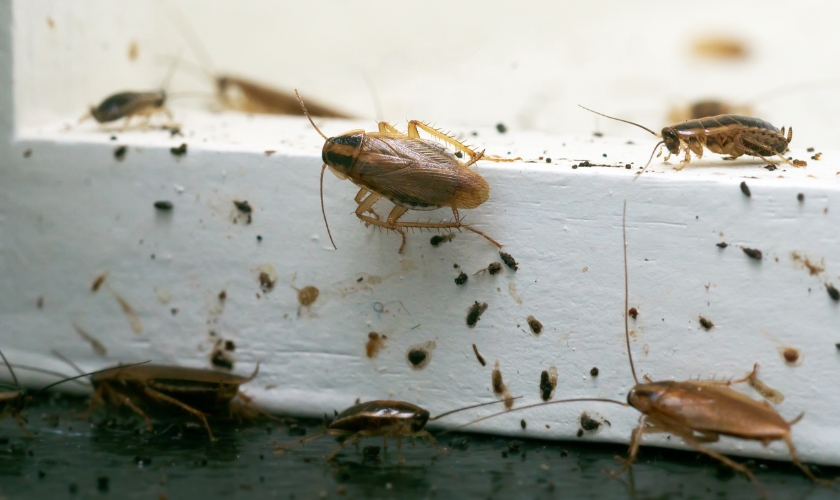
German cockroaches are the most common indoor cockroach in San Jose, and they are also the most difficult to get rid of. Homeowners often knock down the roaches they can see, only to watch the problem return within weeks. The reasons come down to how fast these roaches breed, where they hide, and how well they resist common treatments, all of which is why professional cockroach control is usually needed to eliminate them for good.

They Reproduce at Remarkable Speed

The single biggest reason German cockroaches are so hard to eliminate is their reproductive rate. A single female produces egg cases that each hold dozens of eggs, and she carries that egg case until it is ready to hatch, protecting the next generation. In the warm conditions of a home, roaches develop from egg to breeding adult in a matter of weeks. This means a small problem can multiply into a large infestation quickly, and any treatment that misses even part of the population allows it to rebound. A handful of roaches noticed in the spring can become hundreds by the end of summer if nothing effective is done.

They Hide Where Treatments Cannot Reach

German cockroaches spend most of their time hidden in cracks, crevices, and voids, coming out mainly at night to feed. They gather inside and behind appliances, under sinks, within cabinet voids, and in the small gaps around plumbing and electrical lines. These hiding places are difficult for a homeowner to access, and surface sprays do not penetrate them. As a result, do-it-yourself treatments often reach only the roaches in the open while the breeding population stays protected out of sight. The roaches a homeowner sees usually represent a small fraction of the total number living in the home.

They Resist Many Store-Bought Products

Over the years, German cockroaches have developed resistance to many of the insecticides and baits sold in stores. A product that worked in the past may have little effect on a current population, and some roaches even learn to avoid certain baits. This resistance is a major reason homeowners find that store-bought solutions provide only temporary relief before the roaches return in full force.

They Hitchhike Their Way Back In

German cockroaches are frequently carried into homes in grocery bags, cardboard boxes, secondhand appliances, and used furniture. Even after an infestation is cleared, new roaches can be introduced this way, restarting the problem. In apartments and attached housing, they also travel between units through shared walls and utility lines. This constant potential for reintroduction makes lasting control harder to achieve without ongoing attention.

Their Eggs Survive Many Treatments

The egg cases of German cockroaches are resilient and often survive treatments that kill adult roaches. When those eggs hatch, a new generation emerges to continue the infestation. This is why a single treatment so often falls short and why professional programs include follow-up visits timed to catch newly hatched roaches before they can reproduce. Breaking the cycle requires addressing the eggs, not just the adults. Timing the follow-up treatments to the hatching cycle is one of the main advantages a professional program has over a single application.

Why Professional Treatment Works

Professional cockroach control succeeds because it addresses the parts of the infestation that homeowners cannot reach. A technician inspects to locate the harborage areas, treats deep into the cracks and voids where roaches hide, uses products the roaches have not grown resistant to, and returns to catch any that hatch afterward. This thorough, staged approach is what finally eliminates a German cockroach population rather than temporarily reducing it.

What Homeowners Can Do

A few steps support professional treatment and slow a German cockroach problem:

  • Store food in sealed containers and clean up crumbs and spills promptly.
  • Fix leaks and reduce moisture in kitchens and bathrooms.
  • Inspect secondhand items and grocery deliveries before bringing them inside.
  • Keep trash sealed and take it out regularly.
  • Report and address any sighting quickly before the population grows.

These habits help, though an established German cockroach infestation calls for professional treatment to fully resolve.

Putting an End to the Cycle

German cockroaches breed and hide so effectively that clearing them takes a thorough plan and follow-through to complete. The team at Citra Pest Control will inspect your home, treat the hidden harborage where the roaches live, and will return as needed to break the breeding cycle. Every treatment is backed by a satisfaction guarantee. If you are struggling with roaches that keep coming back, reach out for a free quote and get the infestation handled at the source.
Categories
Spiders

Why Am I Finding Spiders in My Garage in San Jose?

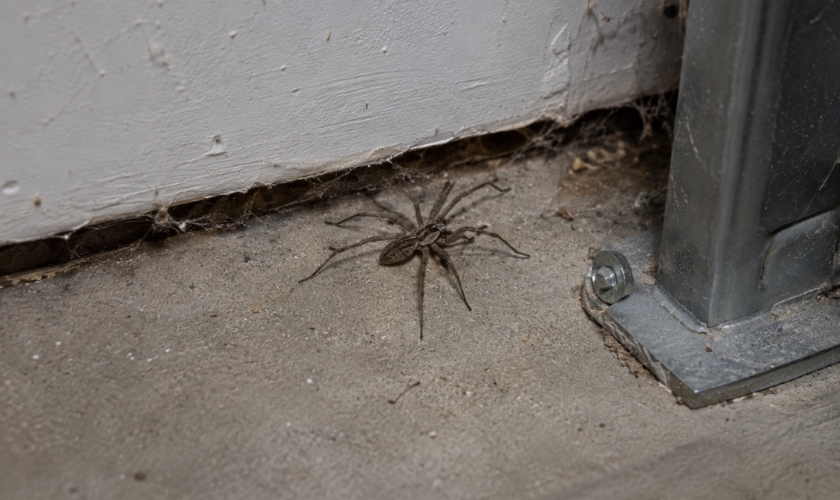
The garage is one of the most common places San Jose homeowners find spiders, and for good reason. Garages offer nearly everything a spider needs: shelter, darkness, insects to eat, and quiet corners that stay undisturbed for long stretches. Understanding why spiders favor the garage helps homeowners reduce them and know when professional spider control is the right step.

Garages Provide Ideal Shelter

Spiders look for protected, undisturbed spaces to build webs and hide, and a garage delivers exactly that. Cluttered shelves, stored boxes, corners, and rafters give spiders countless sheltered spots where their webs will not be disturbed. Unlike the main living areas of a home, garages are often left alone for days at a time, which allows spiders to settle in and establish themselves without interruption.

Clutter Creates Hiding Places

The more clutter a garage holds, the more attractive it becomes to spiders. Stacked boxes, stored equipment, piles of items, and little-used belongings all create the dark, quiet nooks spiders prefer. These spaces also collect the insects spiders feed on, giving them both shelter and a food source in one place. Reducing clutter is one of the most effective ways to make a garage less inviting to spiders. Every box and pile removed takes away another place for a spider to settle.

Insects Draw Spiders In

Spiders go where their food is, and garages tend to attract insects. Gaps around garage doors, windows, and vents let flies, moths, and other insects inside, and any lighting draws them in at night. Wherever these insects gather, spiders follow to hunt them. A garage with a steady insect population will support a steady spider population, which is why controlling insects is central to controlling spiders. Sealing the gaps that let insects in does double duty by keeping spiders out as well.

Easy Entry From Outside

Garages are among the easiest parts of a home for spiders to enter. Garage doors do not always seal completely, leaving gaps along the bottom and sides that spiders slip through. Additional openings around windows, vents, and where utilities enter give them even more access. Because garages connect directly to the outdoors and often to the rest of the house, they serve as a common entry point for spiders moving inside.

Moisture and Temperature

Garages often provide the conditions spiders favor, including moderate temperatures and areas of moisture. Water heaters, utility connections, and cooler concrete floors can create the slightly damp, temperature-stable environment spiders prefer. During temperature swings outside, the garage offers a buffered space that stays more comfortable, drawing spiders and their prey inside. This is part of why garage spider activity can continue even when the weather outside is harsh.

Which Spiders Show Up in Garages

A range of spiders take up residence in San Jose garages. Common house spiders and cellar spiders build webs in corners and rafters, while wolf spiders hunt along the floor. Of greater concern, black widows and false widows favor the dark, undisturbed conditions garages provide, often settling into corners, under shelving, and among stored items. This is why caution is warranted when reaching into boxes or moving long-stored belongings and why wearing gloves during garage cleanouts is a sensible habit.

What Homeowners Can Do

A few steps help reduce spiders in a San Jose garage:

  • Reduce clutter and store items in sealed plastic bins rather than open boxes.
  • Remove webs and egg sacs from corners, rafters, and shelving.
  • Seal gaps around the garage door, windows, and vents.
  • Address insects that draw spiders inside.
  • Keep the garage organized so spiders have fewer places to hide.

These measures make a garage less hospitable, though an established spider population, particularly black widows, calls for professional treatment.

How Citra Pest Control Handles Garage Spiders

Because garages offer spiders shelter, prey, and easy access, we treat them as a key part of controlling spiders around a home. At Citra Pest Control, our technicians inspect and treat the garage along with the rest of the property, remove webs and egg sacs, seal and treat entry points, and reduce the insects that attract spiders. Our Home Protection plans provide year-round coverage for household spiders and other common pests, with a satisfaction guarantee, and you can review them on our plan comparison page.

Spiders are drawn to the insects around a home. The surest way to keep their numbers down is to control that food supply along with the spiders themselves. Citra Pest Control treats the perimeter, clears webs, and reduces the insects that pull spiders toward the house, using products chosen with care around families and pets. As a locally rooted company that knows the South Bay’s long spider season, our technicians can time the service to a property’s needs. You can schedule a free inspection for your San Jose home as the late-summer surge sets in and stay ahead of an infestation.

Categories
Spiders

Are Black Widow Spiders Common in San Jose, CA?

Black widow spiders are one of the few truly dangerous pests in the South Bay, and San Jose homeowners are right to want to know how common they are. The answer is that black widows are well established throughout the area, and they turn up around homes more often than many people realize. Knowing where they live and how to recognize them helps homeowners stay safe and know when professional spider control is warranted.

Yes, Black Widows Live in San Jose

The western black widow is native to California and common throughout San Jose and the surrounding South Bay. These spiders thrive in the region’s mild climate and are found in residential neighborhoods, not just rural or undeveloped areas. While they are not aggressive and tend to stay hidden, their presence around homes is a normal part of living in the area, which makes it worth knowing how to identify and avoid them. They are most often found in the quiet, out-of-the-way spots that homeowners visit only occasionally.

How to Identify a Black Widow

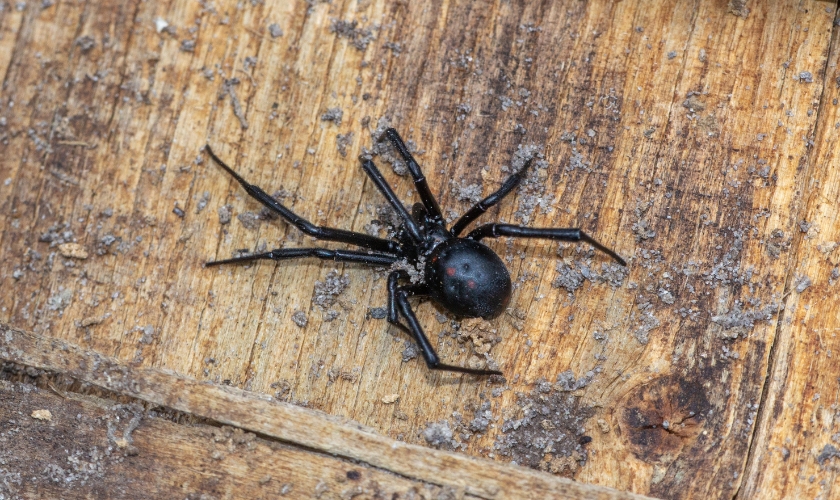
Adult female black widows are the ones that pose a concern, and they are distinctive. They have a glossy, jet-black body about half an inch long, with a red hourglass-shaped marking on the underside of the round abdomen. Males and juveniles are smaller, lighter in color, and not considered dangerous. The female’s shiny black body and red marking are the clearest signs, though the spider often hangs upside down in its web, which can make the marking visible.

Where Black Widows Hide Around Homes

Black widows prefer dark, dry, undisturbed areas close to the ground. Around San Jose homes, they commonly hide in:

  • Garages, sheds, and storage areas, especially in corners and along the floor.
  • Woodpiles, stacked materials, and debris.
  • The underside of patio furniture, benches, and outdoor seating.
  • Water meter boxes, utility boxes, and irrigation controls.
  • Cluttered areas and items left undisturbed for long periods.

These spots share the shelter, darkness, and quiet that black widows prefer, and most encounters happen when a homeowner reaches into one of them. Because the spiders build their webs low to the ground, checking these areas carefully before reaching in is a simple way to stay safe.

The False Widow Look-Alike

Not every dark spider found around a San Jose home is a black widow. The false widow is a common look-alike throughout the Bay Area, similar in shape but brown rather than glossy black and lacking the red hourglass marking. False widows are far less dangerous, though they can deliver an uncomfortable bite. Because the two can be confused, having a professional confirm the identification is the safest approach when a suspicious spider appears.

How Dangerous Are Black Widows?

Black widow venom is medically significant, and a bite can cause muscle pain, cramping, nausea, and other symptoms that may require medical attention. That said, black widows are not aggressive and bite only when they feel threatened, usually when pressed against skin. Most bites happen by accident, when a person reaches into a hiding spot or puts on a shoe or glove where a spider has settled. Anyone bitten by a suspected black widow should seek medical advice promptly. Children and older adults can be more sensitive to the venom, so extra caution is warranted in homes with either.

Reducing Black Widows Around Your Home

Homeowners can lower the risk of black widows with a few precautions:

  • Wear gloves when handling woodpiles, boxes, or stored items.
  • Reduce clutter in garages, sheds, and storage areas.
  • Remove webs and egg sacs from corners, eaves, and low spaces.
  • Seal cracks and gaps around the foundation and entry points.
  • Keep woodpiles and debris away from the house.

These steps make a property less inviting, though an established black widow population calls for professional treatment.

How Citra Pest Control Handles Black Widows

Because black widows hide in so many protected spots and pose a real risk, we focus on locating and treating the areas where they shelter. At Citra Pest Control, our technicians inspect the garage, exterior, and storage areas where black widows are most likely to be found, remove webs and egg sacs, and treat harborage areas directly. We also reduce the insects that draw black widows and other spiders to a property. Contact the Citra team to your property inspected for the presence of black widows.

Categories
Spiders

Why Do Spiders Keep Building Webs Around My San Jose Home?

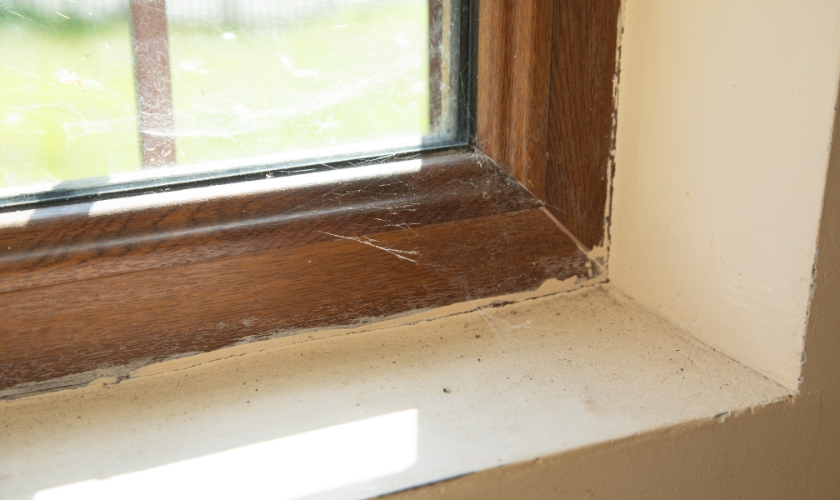
Few things are as frustrating as clearing away spider webs only to find new ones in the same spots days later. For San Jose homeowners, persistent webbing around doorways, eaves, and windows is a common complaint, especially in late summer and fall. The webs keep returning for specific reasons tied to food, shelter, and spider behavior, and understanding them points toward a lasting solution through professional spider control.

Spiders Build Webs Where the Food Is

A web is a spider’s hunting tool, and spiders build them where prey is most likely to pass. Areas around a home that attract insects, such as entryways, porches, eaves, and garden edges, are prime web-building locations. As long as insects are traveling through these areas, spiders have a reason to build and rebuild their webs there. This is why the same corners and doorways collect webs again and again after they are cleared. The location matters more to the spider than the individual web, so a good spot will be used repeatedly.

Outdoor Lighting Draws in Prey

Exterior lighting is one of the biggest reasons webs keep appearing around a home. Porch lights, entryway lights, and landscape lighting attract flying insects at night, concentrating them exactly where spiders want to hunt. Spiders build their webs near these light sources to take advantage of the steady supply of insects. Homes with bright exterior lighting tend to see more webbing around doors and windows as a direct result.

Removing Webs Alone Does Not Solve the Problem

Clearing webs makes a home look better, but it does not address why spiders are there in the first place. When a web is removed, the spider that built it, or another spider drawn to the same area, will build a new one nearby. Web removal treats the symptom rather than the cause. Lasting relief comes from reducing the spider population and the insects that attract them, not from clearing webs over and over.

Sheltered Spots Encourage Web Building

Spiders prefer to build webs in protected areas where they will not be disturbed and where the web is anchored securely. The eaves, corners, doorframes, and window frames around a home provide ideal anchor points and shelter from wind and weather. Cluttered porches, patios, and garages offer even more of these protected spots. The more sheltered nooks a home provides, the more webbing spiders will build.

The Mild Climate Extends Web Building

San Jose’s mild climate allows spiders to stay active for much of the year, which means webbing is not limited to a single season. While late summer and fall bring the heaviest activity as orb weavers mature, the region’s warm, dry summers and mild winters let spiders continue building webs long after they would have died off in colder climates. This extended season is part of why webbing feels like a constant battle for many homeowners.

Egg Sacs Lead to More Spiders

Persistent webbing can also signal that spiders are reproducing around the home. Many spiders attach egg sacs to their webs or nearby sheltered areas, and each sac can contain dozens of eggs. When those eggs hatch, the young spiders build their own webs close by, adding to the problem. Removing egg sacs along with webs is important for keeping the next generation from establishing itself. Left in place, a single egg sac can turn one web into a cluster of them within weeks.

What Homeowners Can Do

A few steps help reduce webbing around a San Jose home:

  • Remove webs and egg sacs regularly from eaves, corners, and entryways.
  • Reduce exterior lighting or switch to bulbs that attract fewer insects.
  • Seal gaps around doors and windows to limit entry and shelter.
  • Keep patios, porches, and garages free of clutter.
  • Reduce the insects spiders feed on with ongoing pest control.

These measures discourage web building, though a persistent spider population usually requires professional treatment to fully resolve.

How Citra Pest Control Stops the Cycle

Webs will keep returning as long as spiders and their prey are present. We address both for lasting results. At Citra Pest Control, our technicians remove webs and egg sacs, treat the areas where spiders shelter, and reduce the insects drawing spiders to the property. Our Home Protection plans include cobweb removal as part of year-round pest coverage, with a satisfaction guarantee, and the details are available on our plan comparison page.

If you are tired of constant webbing in your San Jose home, you can request a free quote from Citra Pest Control. Our team can break the cycle and keep spiders from rebuilding around your home.