Proudly Serving Santa Clara, San Mateo & Alameda Counties
Call Us Right Now: (408) 642-5390
Categories
Cockroaches

Where Are Cockroaches Coming From in San Jose Apartments and Townhomes?

Cockroach problems in San Jose apartments and townhomes are often building-wide, which is why they can be so persistent for any one resident. A household can keep its own space spotless and still see roaches, because the pests are moving in from somewhere else in the building. Understanding where these roaches come from explains why they are so difficult to control alone and why professional cockroach control built for shared housing works best.

Neighboring Units

The most common source of roaches in attached housing is a neighboring unit. When one apartment or townhome develops an infestation, the roaches do not stay put. As their numbers grow, they spread to adjacent units in search of food, water, and shelter. A resident who keeps a clean home can still end up with roaches simply because a neighbor has an untreated problem. This is why treating one unit in isolation so often fails. The roaches simply retreat into the walls and return once the treatment fades, arriving again from the same neighboring source.

Shared Walls and Voids

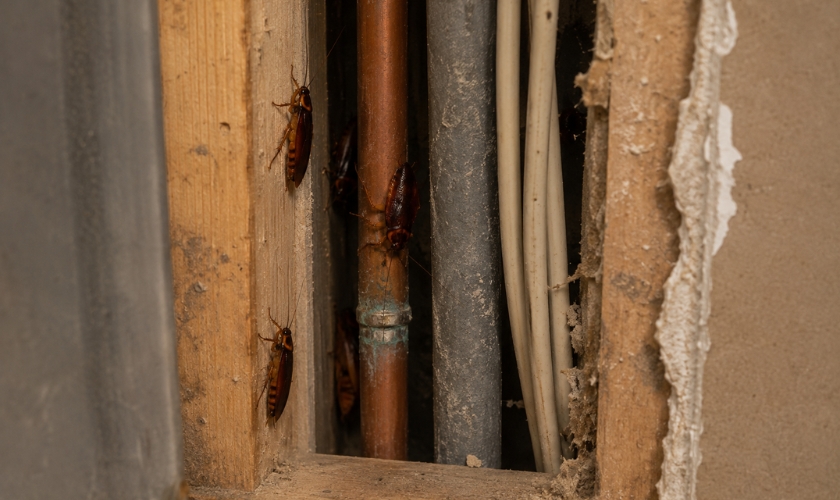
The construction of apartments and townhomes gives roaches ready-made pathways. Shared walls contain voids that roaches use to travel between units, and the gaps around framing and fixtures let them move from one home to the next. These hidden spaces are warm, protected, and undisturbed, making them ideal roach highways. Because they are inside the structure, residents have no way to see or reach the roaches moving through them. A unit can look completely roach-free during the day while a population travels through its walls at night.

Plumbing and Utility Lines

Apartments and townhomes share plumbing, electrical, and utility systems, and these create direct routes for cockroaches. Roaches travel along pipes and wiring through the openings where they pass between units and floors. The spaces around plumbing under sinks and behind appliances are common entry points into a unit. This shared infrastructure allows roaches to reach many homes in a building from a single source. Sealing the gaps around pipes within a unit helps, but it cannot close off the shared lines running through the building.

Drains and Moisture Sources

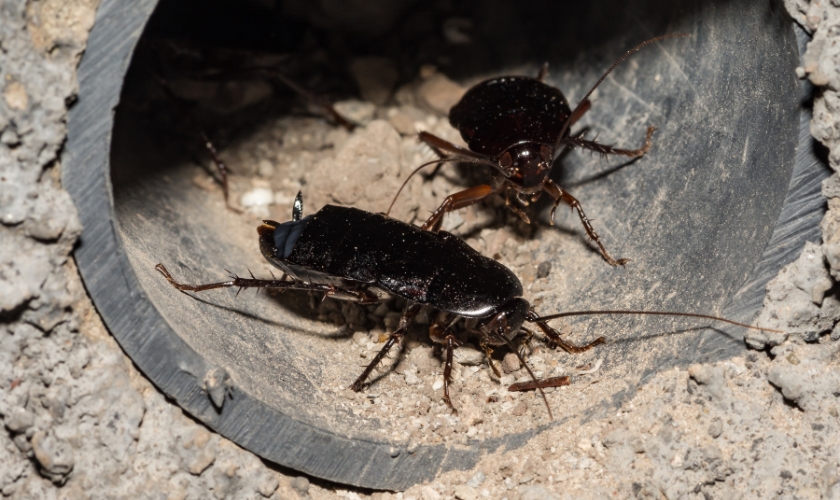
Oriental and American cockroaches, both common in the Bay Area, are drawn to moisture and often enter through floor drains, basement drains, and the damp shared spaces of a building. Laundry rooms, utility areas, and crawl spaces provide the water and shelter these roaches seek. In multi-unit buildings, these shared damp areas can support a roach population that then spreads into individual homes. Addressing the moisture in these common areas is often key to controlling the roaches that reach the units.

Shared Trash and Common Areas

The common areas of apartment and townhome communities can sustain roach populations that spill into units. Shared trash and recycling areas, in particular, provide a steady food source, and roaches move from these areas into nearby homes. Poorly maintained common spaces give roaches a reliable base from which to spread throughout a community. Even a well-kept unit can see roaches when a nearby trash enclosure or laundry room is supporting a population.

Hitchhiking and High Turnover

Roaches are also introduced to buildings by hitchhiking in moving boxes, used furniture, appliances, and grocery deliveries. The higher turnover common in apartments means new items and new residents arrive frequently, each a potential source of roaches. Once introduced, the pests can spread from the original unit throughout the building. This steady potential for reintroduction is part of why shared housing sees such persistent roach problems.

What Residents Can Do

Residents can take steps to limit roach activity in a shared home:

  • Seal gaps around pipes, drains, cabinets, and where utilities enter the unit.
  • Fix or report leaks and moisture problems promptly.
  • Store food in sealed containers and keep trash sealed.
  • Inspect secondhand items and deliveries before bringing them in.
  • Report roach activity to property management so the building can be addressed.

These steps help within a unit, though a building-wide problem depends on coordinated treatment.

A Coordinated Approach for Shared Housing

Roaches in apartments and townhomes come from shared and neighboring spaces, which means that lasting control depends on treating the building rather than a single unit. Citra Pest Control works with residents and property managers to trace how far an infestation has spread and treat the connected units and common areas together. Residents and property managers in San Jose dealing with roaches in shared housing can contact the team to arrange an assessment and a coordinated plan.
Categories
Cockroaches

Why Am I Seeing Cockroaches in My San Jose Home Even Though It’s Clean?

Finding cockroaches in a home that is kept clean is both frustrating and confusing. Many San Jose homeowners assume that roaches are a sign of poor housekeeping, so seeing them in a tidy home feels like a mystery. The truth is that cleanliness helps, but it is only one factor. Roaches enter homes for reasons that have little to do with how clean they are, and understanding those reasons points toward when professional cockroach control is the right answer.

Cleanliness Helps, but It Is Not the Whole Picture

Keeping a home clean reduces the food and clutter that support a large roach population, and it is always worth doing. It does not, however, seal the entry points roaches use, remove the moisture that draws them, or stop them from being carried inside. A spotless kitchen can still have a gap under the sink, a floor drain, or a warm void behind an appliance that gives roaches everything they need. Cleanliness lowers the risk, yet it cannot address every reason roaches come inside. This is why even careful, tidy households sometimes find themselves dealing with a roach problem they did nothing to invite.

Roaches Hitchhike Into Homes

One of the most common ways cockroaches enter a clean home is by hitchhiking. German cockroaches in particular are carried in on grocery bags, cardboard boxes, secondhand appliances, used furniture, and electronics. A few roaches or a single egg case brought in this way can start an infestation regardless of how clean the home is. This is why roach problems appear in well-kept homes and why the source can be so hard to trace. A single infested box carried in from a store or a move can be all it takes to start the cycle.

They Enter From Outside and From Drains

Many of the cockroaches common in San Jose live outdoors or in the sewer and drain systems and move inside on their own. Oriental and American cockroaches are drawn in through floor drains, gaps around pipes, and low openings in the foundation, especially in search of moisture. These roaches are not responding to crumbs on the counter; they are following water and shelter. A clean home near a good source of moisture can still attract them. In these cases, the roaches are treating the home as a route to water rather than a source of food.

Moisture Is a Powerful Attractant

Cockroaches need water even more than food, and a clean home can still offer plenty of moisture. Leaky pipes, condensation, damp basements and crawl spaces, and standing water around drains all draw roaches in. In many cases, a moisture problem is the real reason roaches keep appearing, and no amount of surface cleaning will change that. Addressing the moisture is often as important as addressing the roaches themselves.

Shared Walls in Attached Homes

In apartments, townhomes, and condominiums, roaches travel between units through shared walls, plumbing, and utility lines. A clean home can develop a roach problem simply because a neighboring unit has one. In these situations, the cleanliness of an individual home has limited effect, since the roaches are coming from a shared source that a single resident cannot control.

Small Entry Points Are Enough

Cockroaches can flatten their bodies to slip through remarkably small gaps around doors, windows, pipes, and the foundation. A clean home with unsealed entry points still gives roaches easy access. Because they only need a small opening and a bit of moisture, roaches can establish themselves before a homeowner realizes how they got in.

What Homeowners Can Do

A few steps reduce the factors that draw roaches into any home:

  • Seal gaps around pipes, drains, doors, and the foundation.
  • Fix leaks and reduce moisture in kitchens, bathrooms, and basements.
  • Inspect grocery deliveries and secondhand items before bringing them in.
  • Keep drains maintained and covered where possible.
  • Address any sighting promptly before the population grows.

These measures target the real reasons roaches enter, though an active infestation calls for professional treatment.

Getting to the Real Source

Roaches come inside for reasons that go well beyond housekeeping. Clearing them means finding how they are getting in and what is keeping them there. Citra Pest Control inspects the home to locate entry points, moisture, and harborage, then treats the problem at its source, with an approach chosen with families and pets in mind. Reach out to request a free quote from Citra and get to the bottom of your cockroach infestation.

Categories
Cockroaches

German vs. Oriental Cockroaches: Which One Is in Your San Jose Home?

Two cockroach species turn up in San Jose homes more than any others: the German cockroach and the Oriental cockroach. They look different, live in different places, and require different treatment, so knowing which one is present makes a real difference. This comparison helps homeowners tell them apart and understand why professional cockroach control depends on getting the identification right.

The German Cockroach

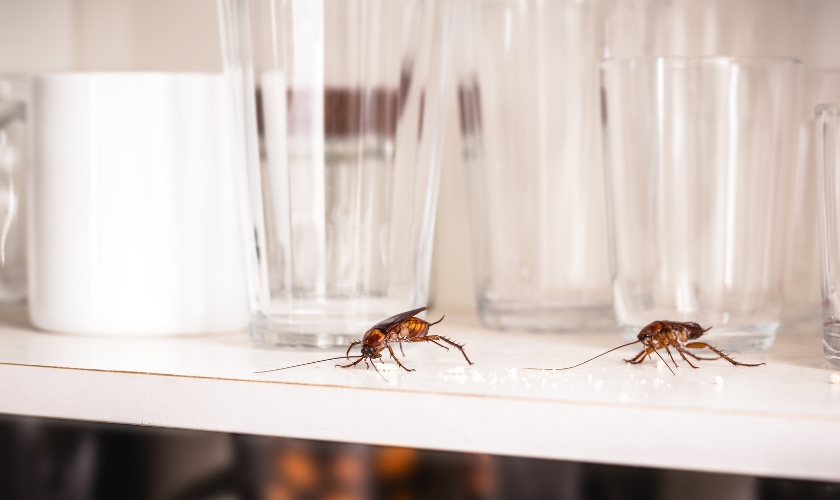
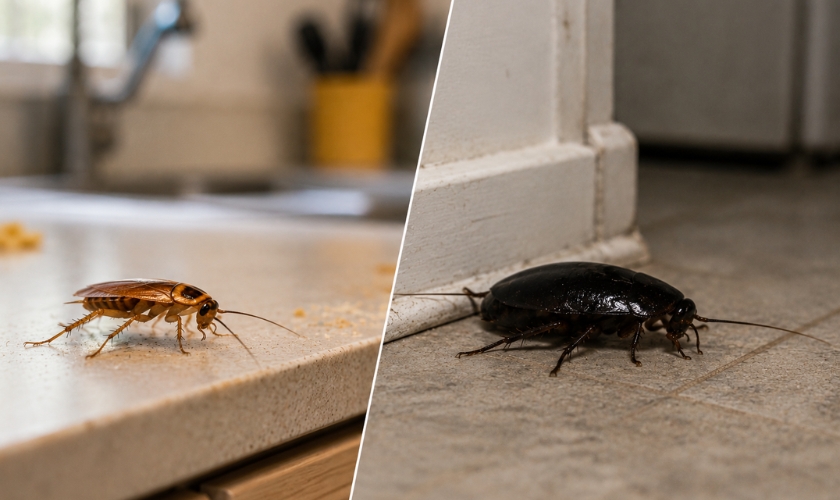
German cockroaches are small, usually about half an inch long, and light brown with two dark stripes running lengthwise behind the head. They live and breed entirely indoors, concentrating in the warmth and moisture of kitchens and bathrooms. German cockroaches are excellent climbers, able to move across walls, cabinets, and even ceilings, and they hide in the cracks and voids around appliances, sinks, and cabinetry. This species reproduces rapidly, which is what makes it the most common cause of serious indoor infestations. Because they stay close to food and water, German cockroaches are most active at night and scatter quickly when a light is turned on.

The Oriental Cockroach

Oriental cockroaches are larger, often an inch or more, and dark brown to nearly black with a glossy appearance. Common throughout the Bay Area’s damp climate, they are often called water bugs. Unlike German cockroaches, Oriental cockroaches prefer cool, wet environments and are found in basements, crawl spaces, drains, and around foundations. They are poor climbers and tend to stay low, moving along floors and the ground rather than up walls. Oriental cockroaches often live outdoors and enter homes through drains, gaps, and low openings. They are slower moving than German cockroaches and are most often found on the ground floor or below, near sources of moisture. This is why basements and crawl spaces are common trouble spots for Oriental cockroaches.

Key Differences at a Glance

A few distinctions make it easier to tell the two species apart:

  • Size and color. German cockroaches are small and light brown with stripes; Oriental cockroaches are large and dark, almost black.
  • Location. German cockroaches gather in kitchens and bathrooms; Oriental cockroaches favor basements, crawl spaces, and drains.
  • Climbing. German cockroaches climb easily and appear on walls and counters; Oriental cockroaches stay low along floors.
  • Origin. German cockroaches breed indoors; Oriental cockroaches often come in from outside and from moisture sources.

How to Tell Which One You Have

Location and behavior are the clearest clues. Finding small, striped roaches on kitchen counters, in cabinets, or around appliances points to German cockroaches breeding indoors. Finding large, dark roaches in the basement, garage, crawl space, or near floor drains points to Oriental cockroaches drawn in by moisture. The time and place of sightings, along with the size and color of the roaches, usually reveal which species is involved. Homeowners who notice a musty odor along with dark roaches near a floor drain are most likely dealing with Oriental cockroaches, while those finding small striped roaches near the stove are dealing with German cockroaches.

Why the Difference Matters for Treatment

The two species call for very different approaches. Controlling German cockroaches means treating the indoor harborage in kitchens and bathrooms and breaking their rapid breeding cycle with follow-up visits. Controlling Oriental cockroaches means addressing the moisture, drains, and exterior entry points that draw them in from outside. A treatment aimed at the wrong species leaves the real problem in place, which is why correct identification comes first. It also explains why a product that works against one species can have little effect on the other.

What Homeowners Can Do

Some steps help with either species while a professional assessment is arranged:

  • Reduce moisture and fix leaks, especially in basements and crawl spaces.
  • Seal gaps around pipes, drains, doors, and the foundation.
  • Store food in sealed containers and clean up spills and crumbs.
  • Keep trash sealed and take it out regularly.
  • Note where and when roaches appear to help identify the species.

These measures help, though an established infestation of either species usually requires professional treatment.

Matching the Treatment to the Roach

Identifying the species is where effective control begins because a German cockroach problem and an Oriental cockroach problem may require different approaches. The technicians at Citra Pest Control confirm which roach is present, then treat the indoor harborage or the moisture and entry points accordingly, using an approach mindful of families and pets. If you are unsure about which type of roach you are facing, you can schedule a free inspection to have the pests identified and treated correctly.

Categories
Cockroaches

What Types of Cockroaches Are Most Common in San Jose, CA?

San Jose is home to several cockroach species, and telling them apart matters more than most homeowners expect. Different roaches live in different places, enter homes for different reasons, and call for different treatment. Knowing which cockroach is present is the first step toward solving the problem, which is why professional cockroach control begins with correct identification.

German Cockroach

The German cockroach is the most common indoor cockroach in San Jose and throughout the country. Small and light brown, with two dark stripes running behind the head, it lives and breeds indoors, favoring the warmth and moisture of kitchens and bathrooms. German cockroaches reproduce faster than any other common roach and are the species most associated with lasting indoor infestations. Because they spend their entire lives inside, seeing one usually points to a breeding population already established in the home. German cockroaches are also strong climbers and are frequently spotted on counters, walls, and inside cabinets.

Oriental Cockroach

Oriental cockroaches are very common in the Bay Area’s mild, damp climate and are often called water bugs. Larger than German cockroaches and dark brown to nearly black, they prefer cool, moist environments such as basements, crawl spaces, drains, and the areas around foundations. Oriental cockroaches frequently live outdoors and move inside through drains, gaps, and low entry points, especially during weather changes. Their presence is strongly tied to moisture, which is why they gather in the dampest parts of a home. Oriental cockroaches are also known for a strong, musty odor when they are present in numbers, which can be one of the first signs of an infestation.

American Cockroach

American cockroaches are the largest roaches found in San Jose homes, reddish-brown and capable of gliding short distances. They favor warm, damp areas and are commonly found in sewers, drains, basements, and crawl spaces. Like Oriental cockroaches, they often enter from outdoors or from the sewer system rather than breeding indoors in large numbers. Their size makes them alarming to encounter, though they are less likely than German cockroaches to build explosive indoor populations. American cockroaches are also among the longest-lived roaches, which allows their numbers to build steadily over time in the right conditions.

Turkestan Cockroach

The Turkestan cockroach has become increasingly common in California and is now found in the San Jose area. These roaches live primarily outdoors, in water meter boxes, cracks, leaf litter, and landscaping, and the males are capable fliers. They tend to wander indoors occasionally rather than establishing large indoor infestations, though their outdoor populations can be substantial around a property. Homes with heavy landscaping, mulch, and water meter boxes nearby tend to see the most Turkestan cockroach activity.

Brown-Banded Cockroach

Less common than the others, the brown-banded cockroach can still turn up in San Jose homes. Small like the German cockroach, it prefers warm, dry locations higher up in a room, such as inside cabinets, behind picture frames, and near ceilings. This preference for drier areas sets it apart from the moisture-seeking Oriental and American cockroaches. Because it spreads out across a room rather than clustering near water, it can be harder to locate.

Why Identification Matters

Because these species live in different places and behave differently, effective treatment depends on knowing which one is present. A German cockroach infestation calls for treating indoor harborage in kitchens and bathrooms, while an Oriental cockroach problem points to moisture and entry points around the foundation and drains. Treating for the wrong species wastes effort and allows the real population to continue, which is why professional identification is so valuable.

What Homeowners Can Do

A few steps help reduce cockroach activity regardless of the species:

  • Fix leaks and reduce moisture, especially in basements and crawl spaces.
  • Seal gaps around pipes, drains, doors, and the foundation.
  • Store food in sealed containers and clean up crumbs and spills.
  • Keep trash sealed and take it out regularly.
  • Reduce clutter that provides hiding places.

These measures make a home less hospitable, though an established infestation usually requires professional treatment to eliminate.

Identifying and Treating the Right Roach

Since each cockroach species demands a different response, having the roach correctly identified is what makes treatment effective. Citra Pest Control is a family-owned company whose technicians determine which species is present, locate where it is living, and treat accordingly. Reach out for a free quote in your San Jose home and have the cockroaches around your home identified and addressed.