
Silicon Valley is one of the most developed regions in California, with dense residential neighborhoods, extensive commercial infrastructure, and a pattern of suburban growth that has pushed directly against the foothills and open space that border the valley on both sides. That development pattern, combined with a climate that provides no meaningful cold-weather relief for pest populations, creates conditions where pest pressure is both persistent and varied. Our residential pest control services cover the range of species that affect homes throughout Santa Clara County, and the factors below explain why so many homeowners in this region deal with recurring pest issues despite maintaining clean, well-kept properties.
The Foothill Interface
The Santa Cruz Mountains to the west and the Diablo Range to the east create a wildlife corridor that borders residential neighborhoods throughout the valley. Rodents, skunks, raccoons, and the full range of insects that live in undeveloped habitat move into residential areas regularly—particularly as dry summers reduce food and water availability in the open space. Neighborhoods in Los Gatos, Saratoga, Morgan Hill, and the hillside communities of San Jose sit directly at this interface, but the movement extends well into the valley floor as rodents and other pests follow drainage corridors and utility infrastructure into denser neighborhoods.
Year-Round Irrigation Sustains Pest Populations
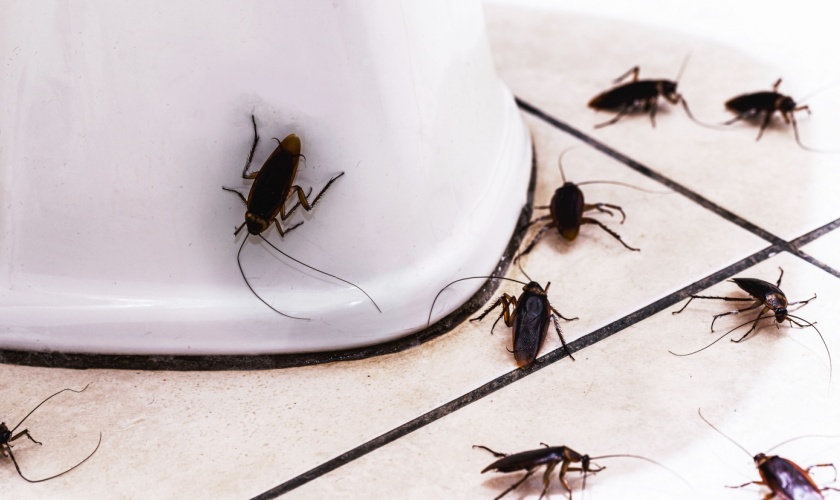
Silicon Valley’s dry summers do not significantly reduce pest activity around homes the way they would in regions without widespread landscape irrigation. Residential landscaping, commercial properties, parks, and street trees all receive regular irrigation through the dry season, which sustains the moisture conditions that ants, cockroaches, earwigs, and silverfish require. Argentine ant populations in particular are closely tied to soil moisture near structures—irrigated landscaping adjacent to the foundation provides the conditions that support large, well-established colonies throughout the summer.
Dense Development Creates Continuous Pest Habitat
Pests do not recognize property boundaries, and the density of Silicon Valley’s residential development means that pest populations move continuously through connected habitats—utility lines, shared fencing, adjacent landscaping, and the storm drain infrastructure that runs beneath neighborhoods. Roof rats travel between properties along utility lines and fence tops. Argentine ants maintain supercolony networks that cross multiple lots. A treatment program that addresses your property without accounting for this continuous exposure from neighboring areas needs to be robust enough to maintain a reliable, treated perimeter.
Housing Stock and Construction Gaps
San Jose and the surrounding cities contain a large percentage of mid-century housing, much of which has accumulated gaps, deteriorated weatherstripping, and aging foundation seals that pests use to move inside. Homes built in the 1950s through 1970s were not constructed to the tighter standards that newer building codes require. As these homes age, the number of access points tends to increase rather than decrease without active maintenance. Even newer construction in this region has vulnerabilities—roof rats access homes through gaps near eaves that are standard in certain framing configurations, and ants require very little space to establish entry.
Food Service and Commercial Density
The concentration of restaurants, food-service businesses, and commercial kitchen operations throughout Silicon Valley’s cities supports cockroach and rodent populations at a scale that is not present in more rural areas. Commercial pest pressure in dense urban areas has a spillover effect on nearby residential properties, particularly in neighborhoods where commercial and residential uses are close together.
What This Means for Homeowners
Pest problems in Silicon Valley homes are not primarily a function of cleanliness or property upkeep—they are a function of location. The climate, the development pattern, the irrigation, and the continuous exposure from the surrounding habitat all contribute to pressure that well-maintained homes experience alongside neglected ones. The practical response is a consistent protective program that maintains a treated perimeter rather than a reactive approach that responds only after problems become visible.
Citra Pest Control serves homeowners throughout Santa Clara, San Mateo, and Alameda Counties. View our protection plans or request a free estimate to get started.
