
The pest species that affect San Jose homes are shaped by the region’s Mediterranean climate, the proximity of residential neighborhoods to the foothills and open space, and the urban density that creates a continuous habitat for pests to move through. Several species come up consistently in homes throughout Santa Clara County, and understanding what each one is and what drives their presence helps homeowners recognize problems earlier and understand why professional treatment produces better results than general-purpose sprays. Our residential pest control services cover all of the species below, and each service page has more detail on treatment approaches specific to that pest.
Argentine Ants
Argentine ants are the dominant ant species in most Bay Area residential areas and are the species behind the majority of ant calls we receive throughout San Jose. They are small, brown, and travel in wide, dense trails. What sets them apart from other species is their supercolony structure—Argentine ant populations in California exist as interconnected networks rather than isolated colonies, which means the number of workers that can eventually be directed toward a food or water source inside a home is enormous. They establish readily in wall voids, under flooring, and in moist soil adjacent to the foundation.
German Cockroaches
German cockroaches are the most common cockroach species found inside San Jose homes and businesses. They are small—roughly half an inch to five-eighths of an inch—and prefer warm, humid environments near food sources. Kitchens and bathrooms are the most common harborage areas. German cockroaches reproduce rapidly, and an infestation that is not treated professionally can become very large in a relatively short period. They are also linked to allergen exposure and food contamination, making prompt treatment a health consideration as well as a comfort one.
Roof Rats
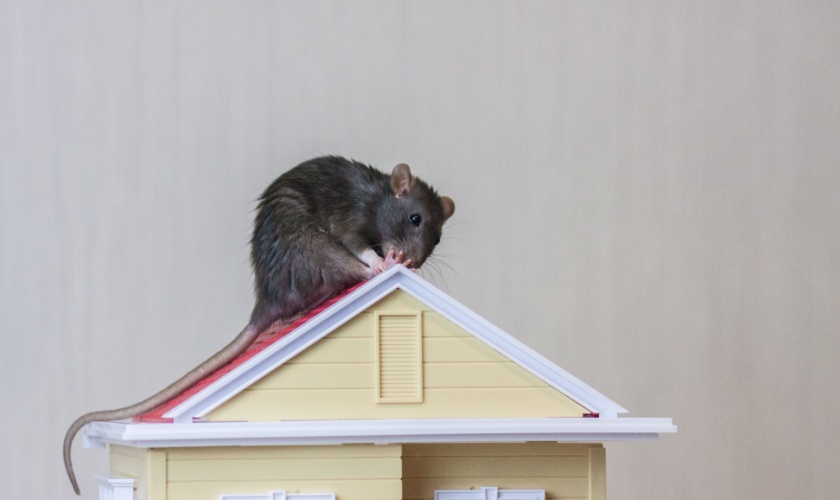
Roof rats are common throughout urban and suburban Santa Clara County. They are agile climbers that access homes through rooflines, gaps near eaves, utility lines, and overhanging tree branches. Once inside, they nest in attics, wall voids, and other elevated spaces. Roof rats are active year-round in San Jose’s mild climate and can cause structural damage through gnawing on wiring, insulation, and framing. Evidence of roof rats includes droppings along rafters, gnaw marks, and the sounds of movement in the ceiling at night. Our rodent control services address both elimination and exclusion.
Black Widow Spiders
Black widow spiders are present throughout Santa Clara County and are found in garages, sheds, wood piles, under outdoor furniture, and in undisturbed storage areas. They are not aggressive but will bite if disturbed, and their venom is medically significant—particularly for children and elderly individuals. Regular perimeter treatment and web removal reduce black widow populations around the home, and professional service is the appropriate response when they are found frequently inside or in high-traffic areas. Our spider control services address both black widows and the common household spider species that are a nuisance throughout the year.
Earwigs and Silverfish
Both species are moisture-seeking insects that move indoors readily in San Jose’s dry summers when outdoor conditions become less hospitable. Earwigs are found in bathrooms, kitchens, laundry areas, and crawl spaces. Silverfish damage paper goods, book bindings, and natural fiber materials in addition to being a general nuisance. Both are covered under Citra’s standard home protection programs.
Fleas and Ticks
Homes with pets in San Jose and the surrounding foothills face consistent flea and tick pressure. Fleas establish themselves in carpet, upholstered furniture, and bedding, and they can be difficult to eliminate once an infestation is established indoors. Ticks are particularly common in properties adjacent to open space and hiking trails throughout Santa Clara County. Our flea and tick control services are available as a standalone service for households dealing with either or both species.
Identifying what you are dealing with is the first step toward resolving it. Schedule a free inspection, and our technicians will assess your property and identify the species and conditions present.
