
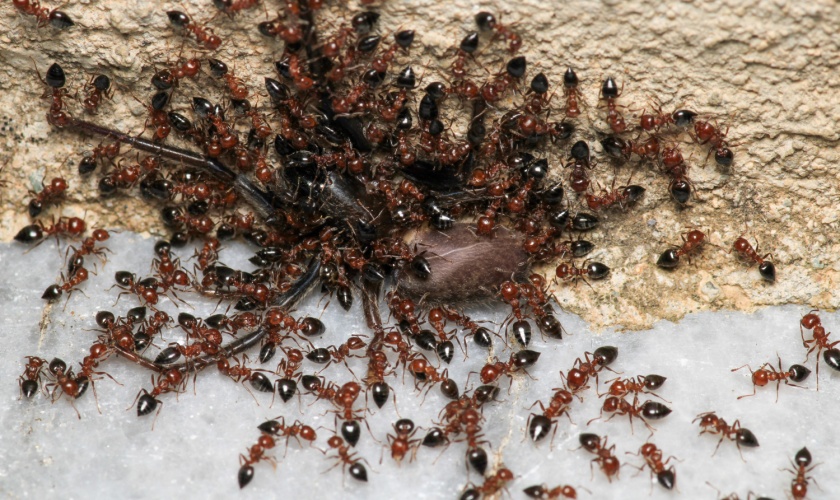
San Jose homeowners know the drill: one day the counters are clear, and the next, a trail of ants is winding its way across the kitchen like it owns the place. These aren’t random visitors—they’re species uniquely adapted to our city’s climate and neighborhoods, each with its own habits and quirks. For anyone dealing with infestations, smart ant control in San Jose starts with knowing which species has moved in, because each requires a different strategy to keep under control.
Argentine Ants: The Neighborhood Colonizers
Argentine ants are notorious in the Bay Area for their sprawling “supercolonies.” With multiple queens and thousands of workers, they can stretch across entire blocks and overwhelm native species. Indoors, they’re drawn to sweets and moisture, often appearing in kitchens and bathrooms where food and water are easy to find. Sprays rarely solve the problem—they simply regroup elsewhere, which is why targeted baiting is the most effective approach.
Argentine ants displace native species, dominating yards and gardens with their aggressive expansion. Trails often weave across sidewalks and patios, leading to hidden nests under stones, mulch, or landscaping features. Once inside, they quickly establish themselves in food‑rich areas, making them one of the most persistent invaders in San Jose homes. Without professional intervention, infestations can feel endless, as DIY methods rarely reach the full extent of their networks.
Odorous House Ants: The Sugar Seekers
Odorous house ants, often nicknamed “sugar ants,” are small but persistent invaders. They trail across counters and sinks in search of sugary crumbs, and when crushed, they release a distinct rotten coconut smell. Their colonies can split when disturbed, making DIY treatments risky and often counterproductive. Professional strategies focus on colony‑wide elimination to prevent them from multiplying.
Highly adaptable by nature, odorous house ants nest in soil, walls, or under floorboards depending on conditions. They thrive in both urban and suburban environments, making them a common sight in San Jose homes year‑round. Their ability to nest in multiple locations means infestations can spread quickly if not treated thoroughly. Another challenge is their resilience to weather changes, as they often relocate indoors after heavy rains.
Carpenter Ants: The Silent Woodworkers
Unlike other ants, carpenter ants don’t just forage—they excavate. These large ants tunnel into damp or decaying wood, which can weaken structures over time if left unchecked. Signs include faint rustling inside walls or sawdust‑like debris near baseboards and window frames. Direct nest treatment is essential to stop them before damage spreads.
Carpenter ants don’t eat the wood they remove; instead, they carve galleries to build nests. This behavior can compromise wooden beams, decks, and siding, especially in older homes with moisture issues. Left untreated, they can cause structural damage that rivals termites, making them one of the most destructive ant species. Spotting winged carpenter ants indoors is a strong sign of a mature colony, which requires immediate professional attention.
Pavement Ants: The Sidewalk Squatters
Pavement ants nest in cracks of sidewalks, driveways, and foundations, but they don’t stay outside. Once indoors, they raid kitchens for crumbs and grease, often appearing in large numbers. Their colonies are smaller than Argentine ants, but they’re persistent and often return season after season unless properly treated. They are especially common in neighborhoods with older pavement and foundations.
Recognizable by the small mounds of soil they push up between pavement cracks, pavement ants compete with other species for territory outdoors, often engaging in large battles during warm months. Indoors, they’re opportunistic feeders, targeting any accessible food source from crumbs to pet food. Because their nests sit so close to homes, they can easily exploit tiny gaps in foundations or walls.
Pharaoh Ants: The Tiny Trouble‑Makers
Pharaoh ants are pale yellow and nearly translucent, making them hard to spot until they’ve spread. They prefer warm indoor spaces and often nest in hidden areas like wall voids or behind appliances. Improper treatment can cause colonies to scatter, so precision is key in controlling them. Their small size allows them to infiltrate areas most homeowners wouldn’t expect.
Pharaoh ants are particularly problematic in multi‑unit housing, hospitals, and commercial buildings because they spread quickly through walls and utility lines. Their diverse diet includes sweets, proteins, and even dead insects, making them resilient to basic cleaning efforts. Their adaptability makes them difficult to eliminate without professional help. Colonies often split when threatened, which means DIY sprays can make infestations worse.
Velvety Tree Ants: The Aggressive Climbers
Velvety tree ants nest in trees and logs but don’t mind venturing indoors. They’re aggressive when disturbed, delivering painful bites that make them unpleasant to encounter. Outdoors, they trail along tree trunks and branches, but inside they’re drawn to sweets and proteins. Their dual habitat makes them especially challenging without professional help.
Often mistaken for carpenter ants due to their size, velvety tree ants stand out for their aggressive behavior. They defend colonies fiercely, making outdoor encounters difficult for homeowners working in gardens or yards. Indoors, they can establish satellite colonies, especially in attics or wall voids. Their ability to thrive both outdoors and indoors requires treatments that address both environments simultaneously.
Why Species Identification Matters
Not all ants play by the same rules, and that’s what makes them so tricky. The treatment that wipes out one colony can actually strengthen another, leaving homeowners frustrated when the problem keeps coming back. Argentine ants, for example, spread through massive networks that respond best to baiting, while carpenter ants burrow into wood and demand direct nest removal. Knowing exactly which species has moved in isn’t just a detail—it’s the difference between chasing trails endlessly and finally breaking the cycle of infestation.
When infestations are misidentified, homeowners often waste time and money on solutions that don’t reach the root of the problem. Spraying odorous house ants, for instance, can cause their colonies to split and multiply, making the issue worse. Carpenter ants may be mistaken for termites, leading to unnecessary panic or the wrong type of treatment. Each misstep allows colonies to grow stronger, giving them more time to expand their territory inside and outside the home.
Professional identification goes beyond simply naming the species—it reveals their nesting habits, food preferences, and weak points. This knowledge allows pest control specialists to design a strategy that targets the colony at its source rather than just the visible trails. In San Jose, where multiple ant species thrive side by side, accurate identification ensures treatments are effective, safe for families, and long‑lasting. It’s the difference between temporary relief and a home that stays truly ant‑free.
Making San Jose Homes Ant‑Resilient
Ant infestations in San Jose follow the rhythms of our city—Argentine ants expand when winters stay mild, carpenter ants exploit damp wood in older structures, and odorous house ants surge indoors after heavy rains. These aren’t random annoyances; they’re predictable patterns shaped by climate and housing, and breaking them means knowing the species and acting with precision.
Citra Pest Control builds its solutions on that understanding. We identify the species, trace the colony, and design treatments that fit San Jose’s realities. Our treatments dismantle ant networks completely, giving you peace of mind long after they’re gone. Contact Citra Pest Control today, and let’s turn those predictable ant patterns into lasting protection for your home.
