
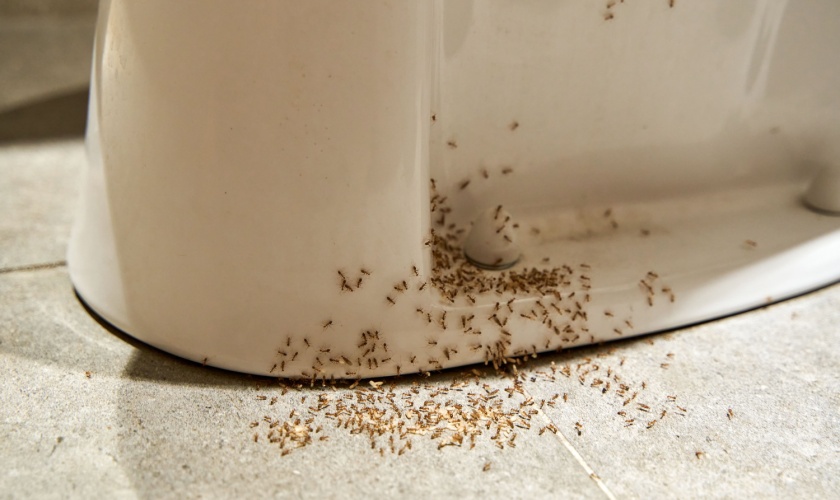
You scrub the counters, mop the floors, and keep the bathroom spotless—yet the ants still show up. For San Jose homeowners, it feels like a personal insult: the two rooms you fight hardest to keep clean are the ones ants target most. Kitchens lure them with crumbs you didn’t even notice, while bathrooms tempt them with moisture you can’t fully control. The frustration isn’t just seeing them—it’s wondering how they keep finding a way back, and why ant extermination in San Jose often feels like a never‑ending battle.
To break that cycle, homeowners need more than surface cleaning. Below are practical, locally tested methods that can help you push ants out of your kitchen and bathroom—and keep them from returning.
Vinegar Spray: Disrupting the Trail
Ants rely on pheromone trails to guide their colony mates. When one ant finds food, it leaves a chemical path that others follow. A vinegar-and-water solution disrupts these trails, making it harder for ants to navigate. In San Jose kitchens, spraying vinegar along counters, baseboards, and near trash bins can stop ants from repeatedly targeting the same spots. In bathrooms, wiping down tiles and sink areas with vinegar deters ants while sanitizing surfaces.
Consistency matters. Because ants rebuild trails quickly, homeowners should reapply vinegar daily during an active infestation. Entry points such as window sills, plumbing lines, and baseboards benefit most from regular treatment.
Vinegar is practical because it doubles as a cleaner, cutting grease and eliminating odors. This makes it particularly useful in kitchens, where even invisible food residue can attract ants. For households avoiding chemical sprays, vinegar offers a safe, eco-friendly alternative that still delivers noticeable results.
Lemon Juice: A Citrus Shield
Bathrooms are especially vulnerable because of moisture around drains and faucets. Lemon juice works as a natural deterrent because its acidity masks pheromone trails and creates a barrier ants dislike. Regularly wiping bathroom sinks, tubs, and shower corners with lemon juice can reduce ant activity. In kitchens, lemon juice freshens surfaces while discouraging ants from returning to food prep areas.
For stronger results, lemon juice can be mixed with water in a spray bottle and applied directly to cracks or gaps where ants enter. The scent lingers longer than vinegar, making it a good option for homeowners who want freshness and pest control in one step.
Lemon juice has antibacterial properties, which makes it a smart choice for bathrooms. By disinfecting damp areas, it reduces the appeal for ants while improving hygiene for the household. It’s a simple, affordable solution that combines cleaning power with pest control, making it a favorite among San Jose families.
Baking Soda and Sugar: A DIY Bait
When ants keep reappearing despite cleaning, it usually means the colony outside is thriving. A homemade bait of sugar mixed with baking soda lures ants in—the sugar attracts them, while the baking soda interferes with their digestive system. This method is particularly effective in San Jose kitchens, where ants seem to reappear overnight. Place small amounts near entry points or along ant trails, but keep them out of reach of pets and children. Unlike sprays, baits target the colony itself, helping reduce infestations over time.
Patience is important with baiting. It may take several days for ants to carry the mixture back to the colony and spread it. Homeowners should resist the urge to kill ants on sight during this process, since the goal is to let them transport the bait to the source.
Another advantage of baiting is scalability. Small amounts can be placed in multiple locations, ensuring coverage across different entry points. This makes it especially useful in larger homes or properties with multiple problem areas. For persistent infestations, baiting can be paired with sealing entry points to maximize effectiveness.
Essential Oils: Nature’s Repellent
Peppermint and tea tree oils are more than pleasant scents; they’re natural ant repellents. Ants dislike strong-smelling compounds, and these oils interfere with their ability to follow trails. Mix a few drops with water and spray around door frames, windows, and bathroom corners. In kitchens, applying the solution near cabinets or under sinks can help block entry points. For families in California, this method is popular because it’s safe for kids and pets while still effective against small black ants.
Essential oils can be applied to cotton balls and placed strategically in problem areas, such as under appliances or near plumbing fixtures. This slow-release method keeps the scent strong for longer, offering extended protection without constant reapplication.
Peppermint oil can repel spiders and other pests, while tea tree oil has antibacterial qualities. This makes them a multi-purpose solution for households looking for natural alternatives. For homeowners who prefer eco-friendly approaches, essential oils provide both pest control and peace of mind.
Sealing Entry Points: Long-Term Prevention
DIY treatments help, but prevention is the real key. Ants often sneak in through cracks near plumbing, gaps around windows, or tiny openings in walls. Sealing those entry points with caulk or weatherstripping makes kitchens and bathrooms far less inviting. In San Jose’s older homes, structural gaps are common, so this step is especially important. Pairing sealing with regular cleaning ensures ants have fewer opportunities to invade.
Homeowners should inspect outdoor areas like patios, foundations, and garden beds. Ants often build colonies close to the house, and trimming vegetation or moving mulch away from walls can reduce the chances of ants finding new entry points.
Utility lines and vents are overlooked areas that can act as hidden highways for ants. Adding mesh screens or sealant around them can significantly reduce indoor infestations. For long-term success, sealing should be paired with regular monitoring to catch new vulnerabilities before ants exploit them.
Knowing When to Hand It Over
DIY methods can only go so far. At some point, ants stop being a minor nuisance and start feeling like they’re running the house. That’s the moment when homeowners realize it’s time to hand the problem over to professionals. You’ll know you’ve reached that point if:
- Ants returning faster than you can clean—reappearing within hours despite your efforts
- Trails expanding into bedrooms or living spaces—spreading past kitchens and bathrooms into new areas
- Persistent colonies near foundations or gardens—outdoor nests that keep feeding indoor activity
- Carpenter ants or other species requiring expert care—larger ants that can damage wood structures
- Entry points you can’t fully seal yourself—cracks, plumbing gaps, or hidden openings behind cabinets
- Seasonal infestations that overwhelm your household—activity that spikes every summer despite prevention
- Concerns about chemical safety with kids or pets at home—needing family-friendly treatments instead of risky sprays
When ants reach this level, waiting only makes the problem worse. Contact Citra Pest Control now for a free quote, and let our experts provide fast, reliable solutions that shut down ant activity and keep your household stress‑free all year long.
