
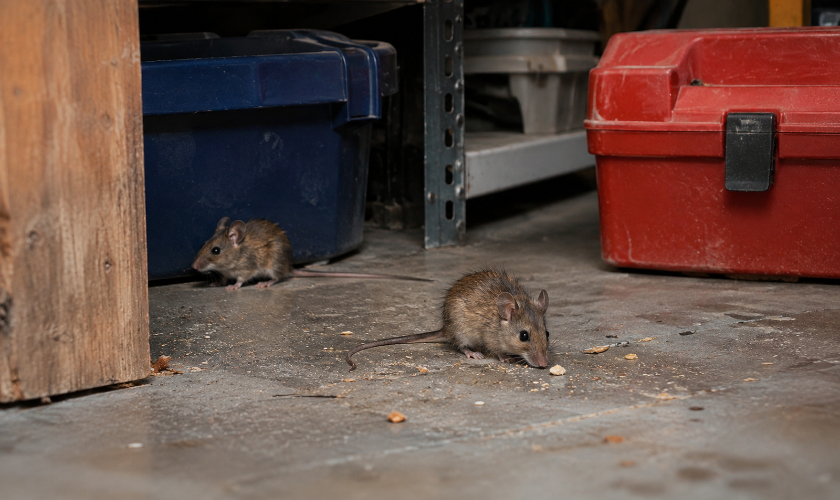
Mice get into garages through small gaps when they find accessible shelter, food, or nesting material. A worn garage door seal can give them a route inside, while birdseed or undisturbed boxes can encourage them to stay. At Citra Pest Control, we offer rodent control for homes and garages to help you address the mice using your Morgan Hill property. We inspect for access points and the conditions supporting them so the plan addresses how they arrived and why they remain.
A Garage Door Can Leave Enough Space
A mouse can squeeze through an opening about a quarter inch wide. That makes the bottom corners of a garage door worth checking, even when the door appears closed. Rubber seals can crack, pull away, or fit poorly against uneven concrete. Small gaps at the sides may also stay hidden until you look closely from inside with the door shut.
Use daylight as a clue to where a seal needs attention. If you can see light beneath a corner, inspect the area without putting your hands near the door mechanism. A garage door professional can correct a poor fit or damaged seal. Springs and moving hardware require particular care, and a pest inspection cannot replace necessary door service.
Mice may also use spaces around pipes, cables, vents, or the door leading to the yard. Check those areas as well as the large vehicle door. An opening in an adjacent shed or connected utility space can provide part of the route. We look beyond the spot where you found droppings so a less obvious access point is less likely to be overlooked.
Stored Food Can Keep Mice Coming Back
Garages often contain food that people do not think of as part of the pantry. Grass seed, birdseed, dry pet food, and livestock feed can attract rodents. An unopened bag offers little protection if a mouse can chew through the packaging. You may first notice a small tear at the bottom or scattered pieces behind the bag.
Move these supplies into durable containers with tight-fitting lids, and choose storage suited to the contents. Metal containers can be useful where gnawing has occurred. Clean up spilled seed before adding a new bag to the shelf. If packaging shows rodent contamination, avoid using the contents, and handle the affected material with appropriate cleanup precautions.
Household routines can add other food sources. A recycling bin with sticky drink containers, a snack bag left in a vehicle, or an indoor trash bag waiting for pickup may reward a mouse that gets inside. Check where those items sit overnight. Removing accessible food helps reduce the reasons mice linger while the entry and removal work is underway.
Clutter Provides Protected Nesting Places
Mice can build nests with shredded paper, fabric, insulation, and other soft material. A box of holiday decorations or a stack of moving supplies can provide cover that remains undisturbed for months. With the holiday season approaching, inspect stored items before carrying them into your living space. Look at the containers and the floor around them before opening anything.
Keep regularly used supplies visible and leave enough room to inspect along the walls. Shelving helps organize boxes and exposes areas that would otherwise stay hidden behind a floor-level pile. Lidded plastic bins offer better protection for many stored belongings than open cardboard, although mice can damage plastic. The purpose is to reduce hiding places and make changes easier to notice.
If you uncover a nest or droppings, pause before sorting the contents. Sweeping, shaking out fabric, or vacuuming dry waste can release contaminated particles. A small, accessible area may be suitable for careful wet cleanup, while extensive contamination needs further assessment. We can help you determine where to focus rodent control while you arrange appropriate cleaning for affected belongings.
Outdoor Conditions Can Lead Mice Toward the Garage
Firewood, dense plants, and stored materials beside the building can provide shelter close to an entry gap. During cooler or wet weather, a protected garage may offer a useful nesting location. Mice can also remain around buildings throughout the year, so finding them in November should prompt a check of the property conditions rather than waiting for the season to pass.
Move outdoor storage away from the wall when practical, and clear leaves or debris that conceal the base of the building. Check irrigation leaks and accessible water sources. If you have nearby garden beds or feed animals outdoors, consider how food is stored and cleaned up. Clearing those areas can also expose holes and make future inspections easier. These changes support the work to remove mice and keep them out.
Entry prevention should account for mice already inside. Closing every suspected opening before removal can leave rodents in the garage or connected wall spaces. We assess routes and recommend a sequence for control and exclusion. Materials used around vents and utilities must resist gnawing while allowing ventilation, drainage, and service access where needed.
Make Sure the Plan Includes Follow-Up
Trapping can help remove mice, but placement and continued checks affect how well it works. Devices should be selected and positioned with children, pets, and access for inspection in mind. Let your technician know if you regularly move equipment or park vehicles beside a proposed location. That allows the plan to fit how you actually use the garage.
If you are finding mice or chewed supplies, contact Citra Pest Control about your Morgan Hill garage. We can inspect the accessible entry routes, help you identify food and shelter to address, and explain a control plan with follow-up. You can then protect your stored belongings with a clearer understanding of what brought mice inside.